
80% of Crypto Trading in India Is Now Futures
More than 80% of crypto trading on Indian exchanges now happens in futures and derivatives instead of spot markets. While many traders have shifted to avoid the 1% Tax Deducted at Source (TDS) on spot trades, the move comes with higher risks. Industry estimates suggest that 70% to 80% of retail crypto futures traders are losing money.
Crypto Futures Now Dominate India’s Market
According to industry data, more than 80% of crypto trading on Indian exchanges now comes from futures and derivatives instead of regular spot trading. Reports show that spot trading volume dropped by as much as 85%.
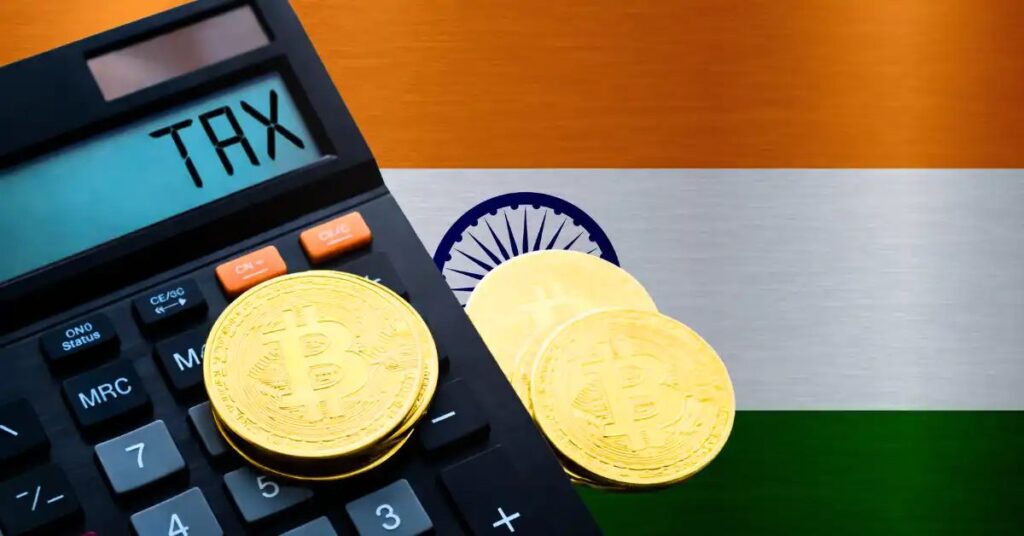
The shift began after the 2022 Union Budget, which introduced a 1% Tax Deducted at Source (TDS) on every crypto spot transaction. Likewise, buying and selling actual Bitcoin, Ethereum, etc. is subject to a 1% TDS on every transaction.
Thus, the active traders say the tax locks up their trading capital, making frequent buying and selling difficult.
As a result, many have moved to crypto futures, trading contracts based on a cryptocurrency’s price, which currently does not have this 1% TDS.
70-80% Of Traders Are Losing Money in Leverage Trading
While crypto futures trading has become more popular, it has also become much riskier for traders. Industry estimates show that 70% to 80% of Indian retail traders in crypto derivatives are currently losing money. Retail investors also make up about 70% of all crypto futures trading in the country.

This is simply because some crypto exchanges offer leverage of 25x, 50x, and even 100x, meaning even a small price move can wipe out an investor’s entire trade.
Experts also estimate that Indian retail traders lost more than $12 billion trading equity derivatives in a single year, highlighting the risks of highly leveraged trading.
Indian Crypto Trading Is Moving To Offshore Exchanges
Unlike stock market derivatives, the Indian crypto market is operating in a highly institutionalised, tax and comply phase.
While digital assets are completely legal to buy, sell, and hold, they are strictly classified as Virtual Digital Assets (VDAs) rather than legal tender. As there is no direct regulation from SEBI or the RBI.
At the same time, an estimated 75% of Indian crypto trading takes place on offshore exchanges such as Binance and Bybit, where many traders seek to avoid domestic tax rules.
Was this writing helpful?
Story Ends Here
Trust with CoinPedia:
CoinPedia has been delivering accurate and timely cryptocurrency and blockchain updates since 2017. All content is created by our expert panel of analysts and journalists, following strict Editorial Guidelines based on E-E-A-T (Experience, Expertise, Authoritativeness, Trustworthiness). Every article is fact-checked against reputable sources to ensure accuracy, transparency, and reliability. Our review policy guarantees unbiased evaluations when recommending exchanges, platforms, or tools. We strive to provide timely updates about everything crypto & blockchain, right from startups to industry majors.
Investment Disclaimer:
All opinions and insights shared represent the author’s own views on current market conditions. Please do your own research before making investment decisions. Neither the writer nor the publication assumes responsibility for your financial choices.
Sponsored and Advertisements:
Sponsored content and affiliate links may appear on our site. Advertisements are marked clearly, and our editorial content remains entirely independent from our ad partners.
Read the Next News