
Zcash Hashrate Goes Vertical as $870 ZEC Price Wakes ASIC Giants
Key Takeaways
Zcash hashrate hit the mid-to-high-20s GSol/s as ZEC traded near $870 this week.Bitmain’s Z15 Pro pumps 840 kSol/s as industrial zcash (ZEC) mining fleets expand.Zcash miners face another subsidy squeeze with the late-2028 halving.
ZEC’s Price Run Drags More Machines Back Online
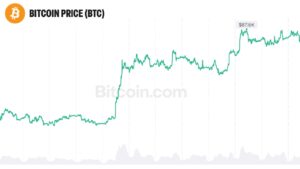
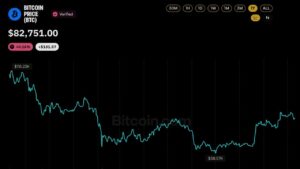
ZEC’s price traded around $820 to $871 between Aug. 23 and Aug. 25, while estimates put Zcash’s network hashrate in the mid-20s of gigasolutions per second, or GSol/s. Several trackers recently printed readings near 27 to 29 GSol/s, putting network activity around its highest levels on record.
The economics explain exactly what is happening. When coin revenue outruns electricity and hosting costs, machines sitting dark suddenly become productive assets again. Operators switch on idle equipment, pack additional units into existing halls, or hunt for more machines until climbing difficulty starts eating the extra margin.
In terms of proof-of-work and reaching consensus, the Zcash network runs Equihash, a mining algorithm built around memory-intensive computational work. Miners grind through potential mathematical solutions, and whichever machine produces one that clears the network’s difficulty requirement first gets a shot at adding the next transaction block.
Zcash’s 75-Second Blocks Keep ASICs Running Hot
Unlike Bitcoin, which targets a block roughly every ten minutes, Zcash shoots for one every 75 seconds. That translates into approximately 1,152 blocks per day. The current protocol subsidy is 1.5625 ZEC per block, but miners collect 80%, or 1.25 ZEC, plus transaction fees.
The rest is split between Zcash Community Grants and a protocol fund. Zcash’s next halving is expected around late 2028, when the total block subsidy is scheduled to drop to 0.78125 ZEC. About 16.9 million of the maximum 21 million ZEC have already entered circulation.
Zcash also measures mining power differently from Bitcoin. Bitcoin counts hashes per second because its ASICs repeatedly calculate hashes. Equihash hardware produces candidate solutions, making solutions per second the cleaner measurement. One GSol/s represents 1 billion solutions every second.
Why Zcash Hashrate Trackers Can’t Agree
That distinction helps explain why specific ZEC mining dashboards routinely spit out different numbers simultaneously. Coinwarz, for instance, shows Zcash near 24.2 GSol/s on Aug. 25, while the mining firm 2miners’ readings reached roughly 27.87 GSol/s. Neither figure is a head count of every mining machine plugged into the Zcash network.
Instead, dashboards reverse-engineer hashrate from network difficulty and block timing. One standard calculation multiplies Zcash’s difficulty by 8,192 and divides the result by its 75-second target block interval. At difficulty of 227.36 million, that spits out an estimated network rate of roughly 24.8 GSol/s.
A tracker using actual time between recent blocks can land somewhere else. If blocks arrive closer to every 70 seconds instead of 75 seconds, the math implies more mining power. Different averaging windows, block heights, and refresh times can therefore create several-GSol/s gaps without either dashboard actually being broken.
Zcash makes that noise particularly obvious because difficulty adjusts after every block using a 17-block averaging window. The mechanism tries to pull production toward the 75-second target whenever miners enter or disappear. A streak of fast or slow blocks can therefore kick difficulty sharply in one direction before it snaps back.
Bitmain’s Z15 Pro Owns the Zcash Mining Race
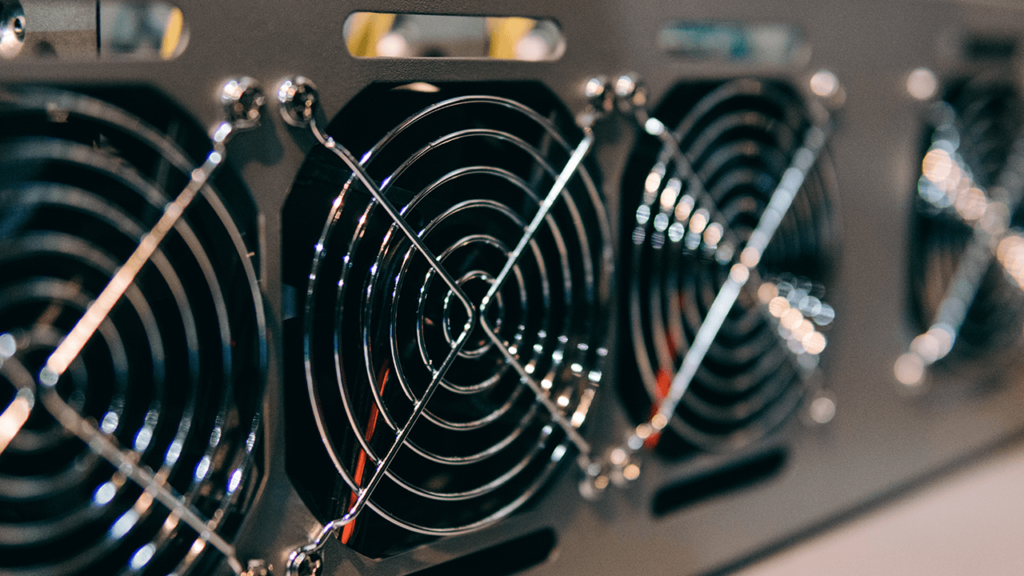
The hardware driving this expansion is brutally specialized. Bitmain’s Antminer Z15 Pro produces about 840 kilosolutions per second while pulling roughly 2,780 watts, making it the standard machine inside serious Zcash operations. The older Antminer Z15 produces about 420 kSol/s while drawing approximately 1,510 watts.
At a 25 GSol/s network rate, one Z15 Pro commands just 0.00336% of Zcash’s estimated mining power. Controlling 1% requires roughly 298 machines. Cypherpunk Technologies said Aug. 18 that it switched on 4.2 GSol/s of Z15 Pro capacity, equivalent to roughly 5,000 machines at the standard 840 kSol/s rating.
That math shows how quickly Zcash mining has industrialized. A network around 25 GSol/s represents roughly 30,000 Z15 Pro-equivalent machines if older hardware is stripped out. With ZEC prices elevated, operators have every reason to deploy machines, but every additional ASIC pushes difficulty higher and slices rewards among more competitors.
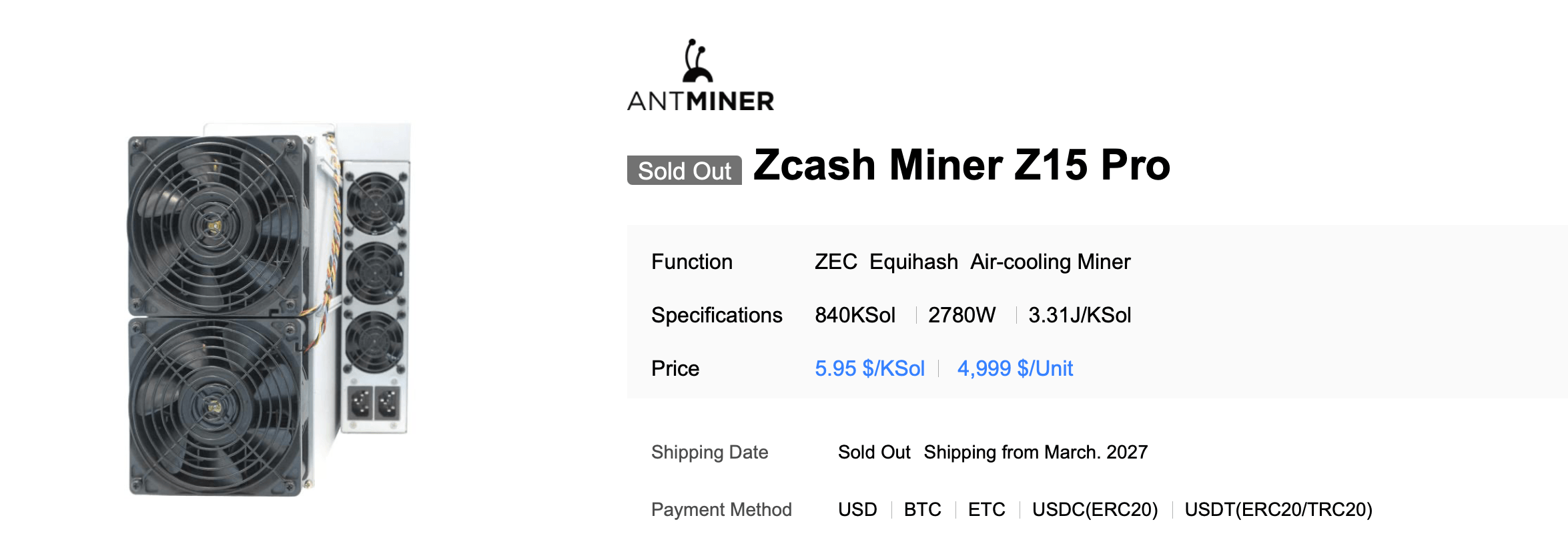
The catch is that the average buyer may struggle to get a Z15 miner because Bitmain’s $4,999 Antminer Z15 Pro ASICs are officially sold out. That pushes buyers into secondhand markets and independent shops. Current numbers, using today’s ZEC exchange rate, put the older Antminer Z15 at roughly $17.06 per day mining ZEC, while the Z15 Pro cranks out an estimated $34.69 daily.
Right now, Zcash miners sit atop the ASIC profitability charts. Still, the real test is whether ZEC can hold prices that keep those machines profitable once difficulty catches up. Miners are also watching Zcash’s potential NU7 changes and the late-2028 halving, while hashrate dashboards should stay noisy as fresh Equihash capacity switches on and marginal machines switch back off.