
DOJ Seizes $84M From Tether-Linked Payment Processor Capstone
Key Takeaways
The DOJ seized $84M from processor Capstone over illegal transfers, pushing EQIBank toward liquidation.Capstone moved $700M via US banks for Tether, highlighting ongoing crypto banking access challenges.Capstone also converted stolen elder fraud cash into stablecoins, prompting Tether to deny wrongdoing.
Tether Gets Indirectly Hit in Capstone’s $84 Million Seizure
Tether, the issuer of USDT, the largest stablecoin in the market, has been involved in a $84 million civil forfeiture case in California.
According to the FT, Tether and Bitfinex relied on Capstone, a Montana-based payment provider, to open bank accounts and make payments to “hundreds of individuals and entities” without being licensed to do so, hiding the nature of its business and declaring it was an IT services company.
Capstone was linked to Tether and Bitfinex through EQIBank, a bank registered in Dominica, which specialized in online payments and directed Capstone to lend these services to Tether and Bitfinex. Tether had invested in the bank and offered to increase its backing if the bank could provide “successful opening of at least one bank account” for Tether at Singapore’s DBS, according to documents reviewed by FT.
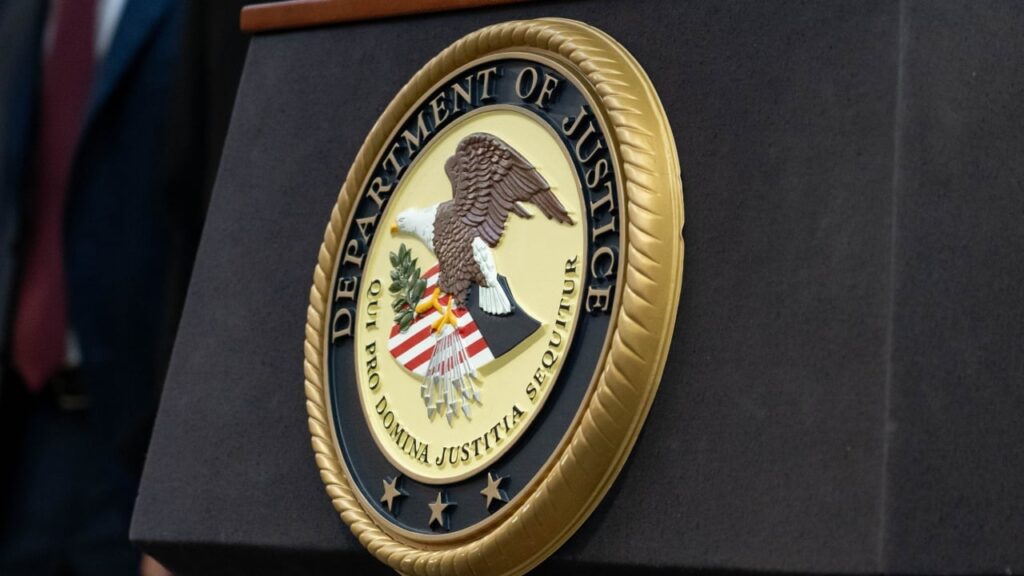
In the civil forfeiture order executed against Capstone, the DOJ seized $84 million in the company’s accounts at Wells Fargo and JPMorgan Chase.
Capstone has also been accused of facilitating the exchange of stolen cash from impersonation fraud schemes targeted at elderly citizens into stablecoins.
Tether and Bitfinex acknowledged being customers of EQIBank but denied knowing about any wrongdoing conducted by Capstone as alleged by the DOJ. While the funds frozen represent less than 0.034% of the total assets held by the stablecoin company, for EQIBank they account for 80% of its holdings, so the bank warned that it might face an institutional liquidation process.
Capstone moved over $700 million using its Wells Fargo bank account, with prosecutors stressing that “almost two-thirds appeared to go to hundreds of individuals and entities on behalf of Tether and Bitfinex.” Most of these payments were routed outside the U.S.
Tether’s involvement in the case underscores the difficulties that crypto companies still face in holding accounts at banking institutions, even after the end of Operation Chokepoint 2.0, and how they have to jump through hoops to access these services through third parties and payment processors.
EQIBank, which is also a crypto-friendly bank, called to dismiss the case, explaining that it leveraged Capstone due to the challenges that institutions in small jurisdictions faced in being banked in the U.S.
In May, Tether sued Titan Holding in Brazil after the company defaulted on a $300 million loan made by Tether’s VC arm, Tether Investments.