China Built a Car Factory So Full of Robots It Became a Tourist Attraction
Key Takeaways
Xiaomi’s Beijing EV plant draws 27,000 monthly applications for just 1,100 tour spots.Around 700 Xiaomi robots help produce an SU7 every 76 seconds with just 100 human overseers.Xiaomi plans 111 monthly tours by Nov. 2026 as China’s auto costs run about 30% below Germany’s.
On the edge of Beijing, Xiaomi’s EV plant in Yizhuang is drawing the kind of crowds usually reserved for theme parks: about 27,000 lottery applications a month for roughly 1,100 tour spots. Visitors pay around $60 to watch some 700 robots and robotic arms work alongside about 100 human workers, turning out a Xiaomi SU7 every 76 seconds. The campus, roughly the size of the Forbidden City, even showcases a 9,100-ton die-casting machine that stamps out entire rear underbodies in 120 seconds. It is a spectacle built around the same math that has Western boardrooms on edge: International Energy Agency analysis puts China’s car production costs about 30% lower than Germany’s, with battery cell prices over 30% cheaper than in Europe and over 20% cheaper than in the United States.
A high-tech spectacle on Beijing’s edge
Factory tours are usually a side dish, the kind automakers tuck behind a gift shop. But Xiaomi has turned its electric-vehicle plant into something closer to a pilgrimage site for hardware-minded travelers. Out on the edge of Beijing in the Yizhuang development zone, the campus has become a lottery-only attraction, with 27,000 applications a month chasing roughly 1,100 tour spots.
The site itself is enormous: about 718,000 square meters, or roughly 7.7 million square feet, often likened to the footprint of the Forbidden City. For American readers used to Silicon Valley’s office parks, it’s a reminder that modern manufacturing, especially for EVs, is now being staged at campus scale, with visitors watching the same choreography that feeds real-world delivery schedules.
Robots first, humans watching the line
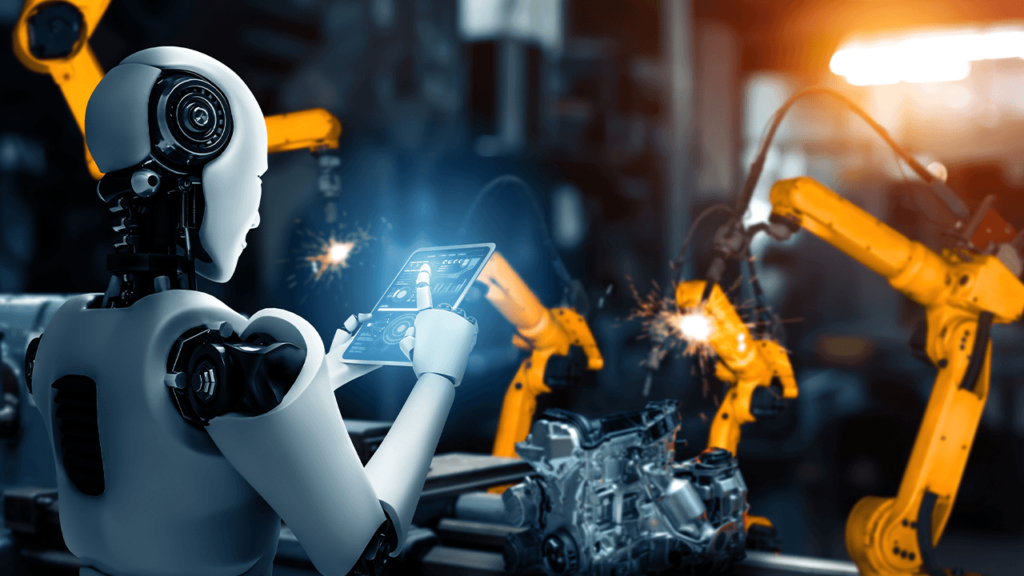
Inside, the labor mix is the headline. Xiaomi’s floor runs with roughly 700 robots and robotic arms working alongside about 100 human workers supervising the process. The output target is equally blunt: a finished Xiaomi SU7 every 76 seconds, a cadence that makes the tour feel less like a museum and more like standing near a live server rack.
The hardware flex goes beyond robot arms. The plant includes a 9,100-ton die-casting machine that can stamp an entire rear underbody in 120 seconds, a detail that stuck with NPR’s visit to the facility. One guide, pointing to an especially busy automaton, put it simply in “Happiest Worker” terms: “Yeah, this robots, we call it Happiest Worker.”
When an EV plant sells tickets
Xiaomi began public tours in March 2024 (some accounts place the start in April), and it has already hosted more than 250,000 visitors. Tickets run about $60, and high demand has pushed scalped lottery slots online as high as $300, an odd secondary market that treats access like a sneaker drop.
By June 2026, the factory hosted 82 guided tours for the month, structured as 2 per weekday and 14 on weekends. Xiaomi has said it plans to lift that to 111 tour sessions a month by November 2026, turning a production line into a standing monthly event schedule.
The cost math that worries Detroit and Berlin
It’s not just spectacle that draws attention. Xiaomi launched the SU7 in China on March 28, 2024, priced from $30,400, and CEO Lei Jun acknowledged that entry price meant selling at a loss. The appeal is what the tour symbolizes: relentless cost compression paired with heavy automation.
The International Energy Agency has argued that producing a car in China is roughly 30% less costly than in Germany, driven by labor costs that can be 3 to 5 times lower than in advanced economies and by battery advantages. The IEA also found EV battery cell prices average over 20% lower in China than in the US, a gap that sits behind today’s boardroom anxiety, even before you account for experiments like Xiaomi’s March 2, 2026 humanoid robot trial that hit a 90.2% success rate while keeping pace with the line.