

BlackRock IBIT Outflows Hit $1.66B Over Seven Sessions

BlackRock IBIT outflows recorded its seventh straight day of outflows totaling $1.66 billion. US spot Bitcoin ETFs lost $201 million Monday as year-to-date flows turn negative.
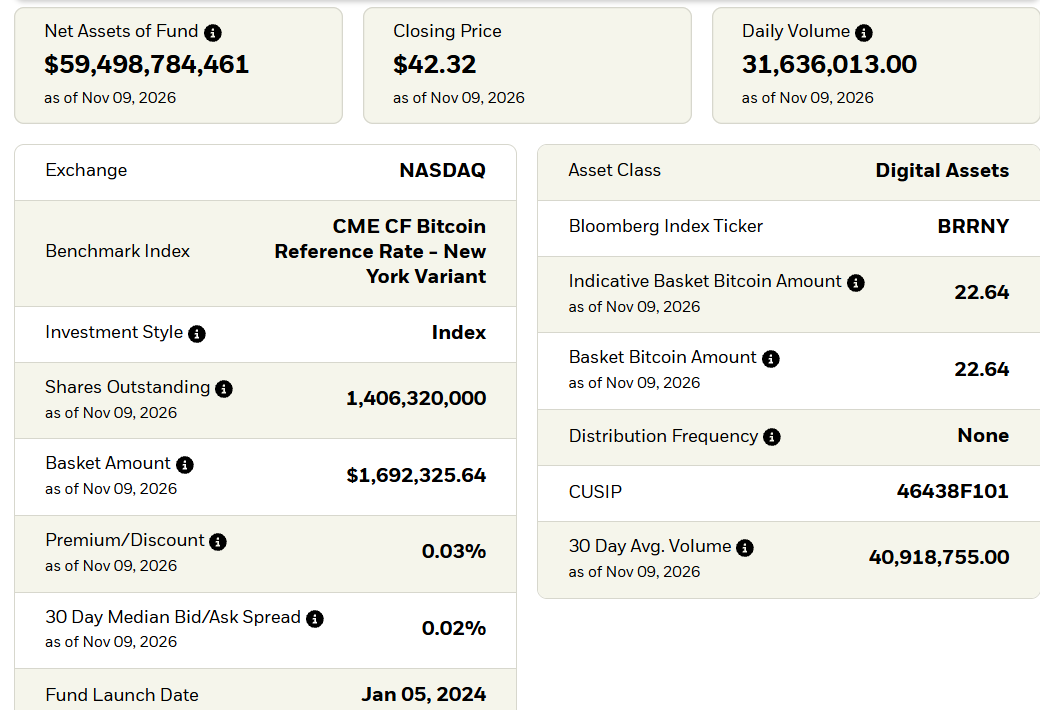
US spot Bitcoin exchange-traded funds continued to lose assets on Monday, with BlackRock’s iShares Bitcoin Trust (IBIT) posting its seventh consecutive session of net withdrawals. The largest US Bitcoin ETF by assets recorded $213 million in outflows, bringing its cumulative redemptions since October 30 to $1.66 billion, according to data from Farside Investors.
Across the broader complex, net outflows totaled $201 million. Morgan Stanley’s Bitcoin Trust ETF (MSBT) attracted $22 million in inflows, partially offsetting the wider selling. Over the past six trading sessions, US spot Bitcoin ETFs have seen roughly $1.5 billion leave the products. Year-to-date net withdrawals now stand near $1.1 billion—sharply different from the roughly $25 billion in net inflows recorded by early November in both 2024 and 2025.
Outflows Slow but Direction Remains Negative
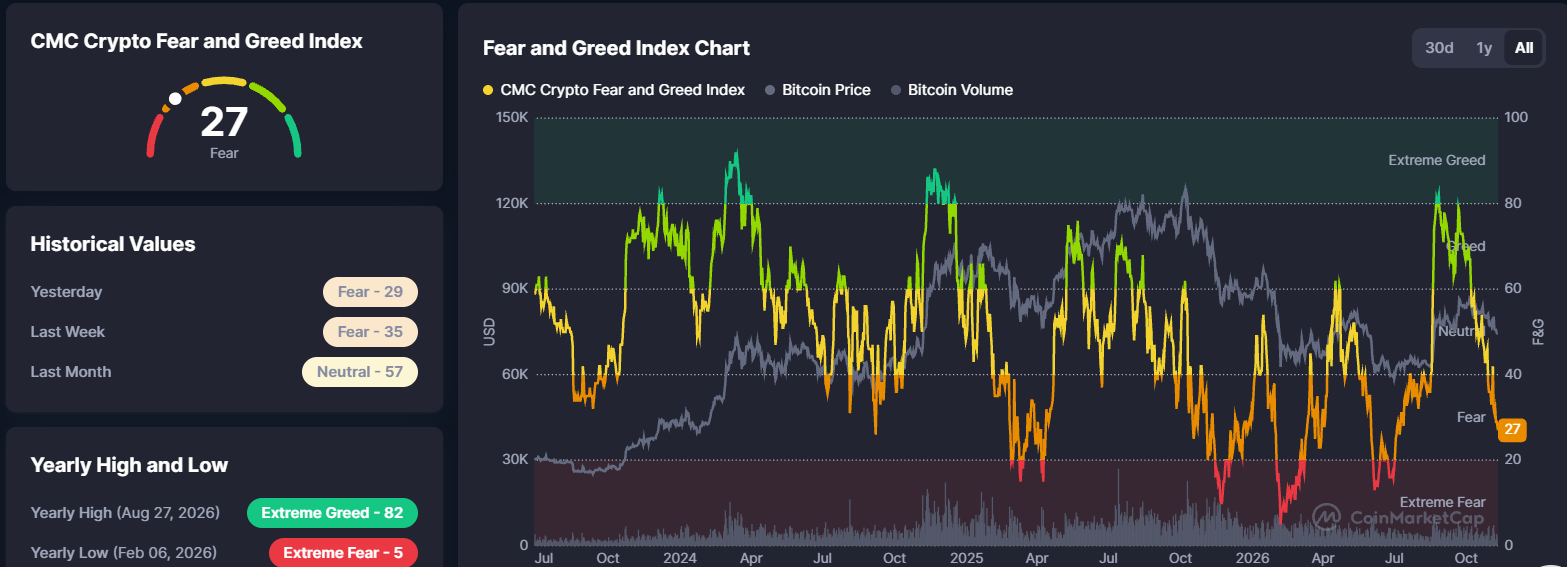
Monday’s $201 million figure marked a slowdown from Friday’s $412 million in net outflows. Sentiment indicators also showed modest improvement: the Crypto Fear & Greed Index rose to 32 from 29 the previous day and 26 a week earlier, though it remained in “Fear” territory.
Ether ETFs did not share the relative relief. Spot Ethereum funds recorded approximately $185 million in outflows on Monday, their largest daily withdrawals since early October. Bitcoin itself traded near $74,200–$74,600, down roughly 2–3% over the prior seven days.
The persistent redemptions stand in contrast to recent institutional and regulatory developments. Coinbase’s US national trust bank charter took effect in recent days, a milestone that in earlier cycles might have supported risk appetite. Market participants noted that the reaction in crypto prices has been muted compared with past responses to similar news.
What the Streak Signals About Investor Positioning
IBIT’s seven-session outflow run highlights the concentration of recent selling pressure. As the dominant vehicle for institutional and retail exposure to Bitcoin through traditional brokerage accounts, the fund often amplifies broader shifts in sentiment. When large holders or advisors reduce allocations, the impact shows up first and most visibly in IBIT.
The year-to-date reversal is notable. After two strong years of cumulative inflows, 2026 has so far produced net withdrawals. Several factors appear to be contributing: elevated macroeconomic uncertainty, recent equity-market volatility tied to AI and technology stocks, residual caution following high-profile exchange security incidents, and a general reduction in risk appetite among some institutional allocators.
Not every fund is experiencing the same pressure. Smaller products such as the Morgan Stanley vehicle have occasionally drawn inflows even as the larger funds see redemptions. This divergence suggests some investors are rotating within the Bitcoin ETF complex rather than exiting the asset class entirely. Still, the overall flow picture remains negative.
Broader Market Context and Outlook
Bitcoin’s recent price action has also diverged at times from traditional risk assets. While US equities posted gains on certain sessions, Bitcoin failed to follow, reflecting the weight of ETF redemptions and other supply-side pressures, including reported sales by some mining companies.
Flows into and out of spot Bitcoin ETFs have become one of the clearest real-time signals of institutional demand. Sustained outflows of this magnitude typically coincide with periods of consolidation or further downside until either sentiment stabilizes or fresh capital returns. Whether the current streak marks a temporary pause or a more prolonged period of de-risking will depend on upcoming economic data, equity-market direction, and any shift in broader risk appetite.
For now, the data is unambiguous: BlackRock’s flagship Bitcoin ETF is in the midst of its longest recent outflow sequence, and the wider US spot Bitcoin ETF market has turned negative for the year.

Editorial Process for bitcoinist is centered on delivering thoroughly researched, accurate, and unbiased content. We uphold strict sourcing standards, and each page undergoes diligent review by our team of top technology experts and seasoned editors. This process ensures the integrity, relevance, and value of our content for our readers.