
What Are Bitcoin Ordinals? A 2026 Guide to Key Insights
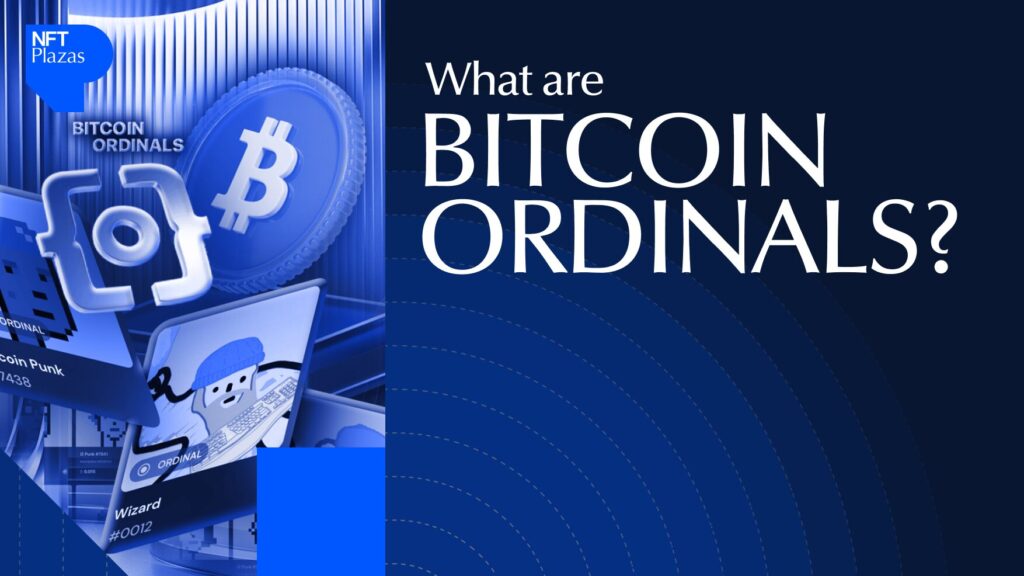
What are Bitcoin Ordinals? If you’ve been following the evolution of blockchain technology, you’ve likely come across this term. Bitcoin Ordinals represent a fascinating development within the Bitcoin ecosystem, offering a new way to interact with the blockchain. This guide will break down how they work, their benefits and drawbacks, and how they compare to NFTs. Whether you’re curious about their impact on the Bitcoin network or looking to buy or mint your first Ordinal, this article has you covered. Keep reading for more information about Bitcoin ordinals.
What Are Bitcoin Ordinals?

Bitcoin Ordinals are digital assets inscribed directly onto the Bitcoin blockchain. They leverage the smallest unit of Bitcoin, called satoshis, to store data like images, text, or videos. Unlike traditional NFTs, they don’t rely on external smart contracts or separate blockchains. This innovation integrates with the Bitcoin mining process, supporting security and permanence.
How Do Bitcoin Ordinals Work?
Bitcoin Ordinals work through the Bitcoin protocol behind ordinals, which assigns a serial number to each satoshi based on the order in which it was mined. That numbering system lets people track a specific satoshi across the Bitcoin blockchain as it moves from one bitcoin transaction to another. When someone adds content such as text, images, or code to that satoshi, the network records it on-chain. This process gives that satoshi a collectible role while it still moves through normal Bitcoin transactions.
What Are Bitcoin Inscriptions?
Ordinal inscriptions are pieces of data, such as an image, text, audio file, or code, that people attach to a satoshi on the Bitcoin blockchain. Many people compare them to Bitcoin NFTs, but ordinal inscriptions differ because they store the content directly on Bitcoin instead of pointing to it from another network.
Can You Mine Bitcoin Ordinals?
You do not mine Bitcoin Ordinals in the usual sense. Bitcoin miners secure the network and confirm blocks, but users create ordinals and ordinal inscriptions when they inscribe data onto satoshis through compatible tools and wallets. Mining supports the Bitcoin network, while inscription creates the collectible asset.
Pros and Cons of Bitcoin Ordinals
The Bitcoin Ordinals market is gradually evolving as more users and developers explore its potential. While still in its early stages, this market highlights both opportunities and challenges for integrating ordinal inscriptions into the broader blockchain ecosystem. Here is a closer look at the pros and cons:
Pros
Bitcoin Ordinals operate directly on the Bitcoin blockchain, ensuring high security and immutability.They eliminate the need for external smart contracts, reducing complexity and potential vulnerabilities.Ordinal inscriptions benefit from Bitcoin’s robust network and widespread adoption.They provide a new way to utilize satoshis, enhancing the functionality of the Bitcoin ecosystem.
Cons
Storing data on the Bitcoin blockchain increases transaction size and fees.The lack of smart contract functionality limits customization compared to traditional NFTs.Bitcoin Ordinals may face scalability challenges due to the blockchain’s design.The concept is still new, leading to limited marketplace and ecosystem support.
Bitcoin Ordinals vs NFTs: What are the Key Differences?

Bitcoin Ordinals and Ethereum-based NFTs share similarities in representing digital assets, but their underlying mechanisms set them apart. Here are the key differences between Bitcoin Ordinals and NFTs:
1. Underlying Blockchain
Bitcoin Ordinals operate exclusively on the Bitcoin blockchain, utilizing its robust infrastructure. Ethereum-based NFTs, on the other hand, are typically built on Ethereum or other blockchain networks with smart contract capabilities. This difference means Bitcoin NFTs benefit from Bitcoin’s security and decentralization.
2. Smart Contract Functionality
Standard NFTs rely heavily on smart contracts to enable features like royalties and programmable interactions. Bitcoin Ordinals do not use smart contracts, as they are inscribed directly onto the Bitcoin blockchain. This limits their functionality compared to Ethereum-based NFTs.
3. Data Storage Method
Bitcoin Ordinals store data directly on the Bitcoin blockchain, ensuring permanence and immutability. Traditional NFTs often store metadata off-chain, relying on external storage solutions like IPFS. This makes Bitcoin NFTs more secure but increases transaction size and costs.
4. Ecosystem and Marketplace Support
Ethereum-based NFTs benefit from a well-established ecosystem with marketplaces like OpenSea and Rarible. The Bitcoin Ordinals market is still in its infancy, with limited platforms supporting their trade. This emerging market presents opportunities for growth but currently lacks the infrastructure and tools available to standard NFTs.
5. Security and Network Robustness
Bitcoin Ordinals inherit the security and robustness of the Bitcoin network, which is the most decentralized blockchain. Ethereum-based NFTs depend on the security of their respective blockchains, which may vary in reliability. While Bitcoin NFTs excel in network robustness, they face challenges in scalability due to Bitcoin’s design.
How to Buy Bitcoin Ordinals: Step-by-Step Guide
Buying Bitcoin Ordinals takes a few clear steps, but the process differs from buying assets tied to smart contract functionality on other chains. Since Ordinals use the Ordinals protocol on Bitcoin, you need the right wallet, marketplace, and enough BTC to cover both the item price and transaction fees. Here’s a simple step-by-step path.
Step 1: Visit a Bitcoin Ordinals Marketplace
Start with a marketplace that supports Ordinals. Look for one with clear listings, wallet support, and recent activity. This helps you avoid weak platforms and poor listing quality.

Step 2: Set Up a Dedicated Bitcoin Wallet
Create a wallet that supports the ordinals protocol. Make sure it can hold both Bitcoin and Ordinals. Save your recovery phrase in a safe place.
Step 3: Connect Your Wallet to the Marketplace
Open the marketplace and connect your wallet. Check that the site shows the correct wallet address. Only connect through the official platform.
Step 4: Fund Your Wallet With Enough Bitcoin
Add enough BTC to cover the purchase price. Leave extra room for transaction fees. A low balance can delay or block the purchase.
Step 5: Explore Available Ordinals Collections
Review the listed collections before you buy. Check price history, creator details, and item traits. This gives you a better view of value and demand.
Step 6: Find a Bitcoin Ordinal Worth Buying
Pick an Ordinal that fits your budget and goals. Review the full listing before you confirm the transaction. Then approve the purchase through your wallet.
Tips for Buying Bitcoin Ordinals
Research the marketplace to ensure it supports the ordinals protocol.Compare transaction fees across platforms before making a purchase.Use a secure Bitcoin wallet compatible with Bitcoin Ordinals.Verify the authenticity of the Ordinal and its inscription data.Start with smaller purchases to familiarize yourself with the process.
How to Mint Bitcoin Ordinals
Set up a Bitcoin wallet that supports the ordinals protocol for minting.Ensure your wallet has enough Bitcoin to cover minting costs and transaction fees.Use a platform or tool designed for creating ordinal inscriptions on the Bitcoin blockchain.Follow the platform’s instructions to inscribe data onto a satoshi and complete the minting process.Verify the inscription on the Bitcoin blockchain to confirm successful minting.
Impact of Bitcoin Ordinals on the Bitcoin Network
Bitcoin Ordinals have introduced a new layer of functionality to the Bitcoin network, sparking both innovation and debate. By enabling data inscriptions directly onto the blockchain, they expand Bitcoin’s use cases beyond traditional transactions. However, the rise of Bitcoin Ordinals has also raised concerns about scalability and transaction fees. Critics argue that this could divert Bitcoin from its original purpose as a peer-to-peer payment system.
Conclusion
Bitcoin Ordinals represent a significant evolution in the Bitcoin ecosystem, offering new opportunities for digital asset creation and storage. While they enhance Bitcoin’s functionality, they also introduce challenges like increased transaction fees and scalability concerns. The ordinals protocol demonstrates the adaptability of the Bitcoin network, attracting both innovation and scrutiny.
FAQs
Are Bitcoin Ordinals a good investment?
Bitcoin Ordinals can be a good investment for those interested in digital collectibles, but their value depends on market demand and rarity. As with any investment, thorough research and risk assessment are essential.
Are Bitcoin Ordinals legal?
Yes, Bitcoin Ordinals are legal in most jurisdictions as they operate within the Bitcoin blockchain. However, legality may vary based on local cryptocurrency regulations.
Which wallets are recommended for storing Bitcoin Ordinals?
Wallets like Sparrow Wallet and Ordinals Wallet are recommended for storing Bitcoin Ordinals. Ensure the wallet supports the ordinals protocol for compatibility.
Is it difficult to create my own Bitcoin Ordinals?
Creating Bitcoin Ordinals is not overly difficult but requires technical knowledge of the ordinals protocol. Tools and platforms are available to simplify the process.
How much does it cost to mint a Bitcoin Ordinal?
The cost to mint a Bitcoin Ordinal depends on Bitcoin transaction fees and the size of the data being inscribed. Fees can vary based on network activity.
What are the most expensive Bitcoin Ordinals ever sold?
The most expensive Bitcoin Ordinals ever sold are typically rare inscriptions with high demand. Specific sales data varies, but some have fetched significant amounts in the market.