

US economy adds 115,000 jobs in April, unemployment steady at 4.3%
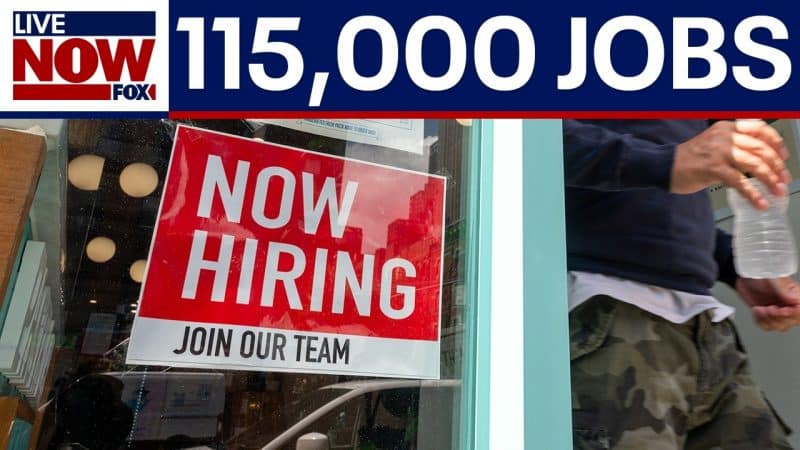
The US labor market just delivered its second consecutive month of solid job gains, with nonfarm payrolls growing by 115,000 positions in April 2026. That nearly doubled what economists had penciled in. The unemployment rate held firm at 4.3%.
A year ago, the monthly jobs number was basically a rounding error. The 2025 average came in at a paltry 10,000 jobs per month. So 115,000 feels less like a recovery and more like the labor market finally remembering how to walk after a long nap.
Where the jobs actually came from
The private sector did the heavy lifting, contributing 123,000 of those jobs. That means federal employment actually shrank.
Healthcare led the charge, adding 37,300 positions. Transportation and warehousing followed with 30,000 new roles. Retail trade rounded out the top three at 21,800.
Year-to-date, the economy is averaging 76,000 jobs per month in 2026. Compare that to the anemic 10,000 monthly average throughout 2025, and the trajectory looks encouraging.
The wage growth problem hiding in plain sight
Average hourly earnings grew 3.6% year-over-year. The problem is that the expected inflation rate sits around 4%. Workers are getting raises that don’t actually keep up with the cost of living.
Part-time employment for economic reasons, meaning people who want full-time work but can only find part-time gigs, has been ticking higher. That’s the kind of data point that doesn’t show up in the unemployment rate but tells you something about the quality of jobs being created versus the quantity.
What this means for markets and the Fed
The Bureau of Labor Statistics report dropped and crypto barely flinched. Equity markets, however, remain in a constructive mood. The stronger-than-expected payroll number feeds into a risk-on narrative: the economy isn’t collapsing, but it’s not running hot enough to force the Federal Reserve into aggressive tightening.
The 115,000 number exceeded the 62,000 to 65,000 consensus estimate by a wide margin. On one hand, 115,000 jobs is comfortably above the breakeven rate needed to keep up with population growth, which most economists peg somewhere around 100,000. On the other hand, wage growth trailing inflation by nearly half a percentage point, combined with rising involuntary part-time work, suggests the labor market isn’t as tight as the 4.3% unemployment rate implies.