

Payward applies for OCC charter to become federally regulated crypto bank
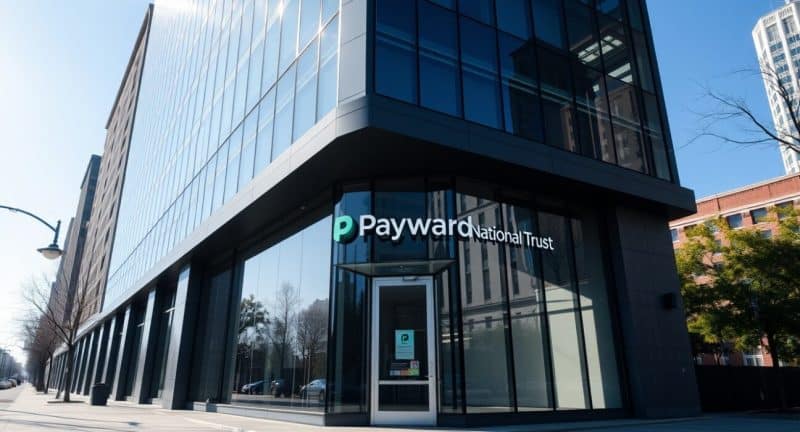
Kraken’s parent company, Payward, has filed an application with the Office of the Comptroller of the Currency to establish a nationally chartered trust company. The entity, called Payward National Trust Company (PNTC), would operate as a federally regulated institution focused on custody services for digital assets.
PNTC is designed to serve institutional clients and high-net-worth individuals, deliberately steering clear of retail banking. Payward Co-CEO Arjun Sethi framed the application as a step toward giving institutional clients the certainty they need. The goal is building advanced custody infrastructure that meets bank-level standards without the complications of traditional retail deposit-taking.
What Payward is actually building
The OCC charter would give PNTC a uniform federal regulatory framework. Instead of navigating a patchwork of state-by-state requirements, a national charter lets the company operate under one consistent set of rules across US jurisdictions.
Kraken’s regulatory track record
Payward previously obtained a Wyoming Special Purpose Depository Institution charter, making Kraken one of the first crypto-native firms to hold a state banking charter of any kind.
Then in March 2026, Kraken secured a Federal Reserve master account. That made it the first crypto company to gain direct access to mainstream payment systems.
Coinbase received conditional OCC approval for a similar national trust charter on April 2, 2026.
Why institutional investors should pay attention
The OCC evaluation process scrutinizes applicants on capital adequacy, management quality, compliance infrastructure, and adherence to anti-money laundering and consumer protection standards.
With both Payward and Coinbase pursuing national trust charters, the competitive dynamics for institutional crypto custody at the federal level are shifting quickly. The risk is that regulatory approval is never guaranteed. The OCC can impose conditions, request modifications, or deny applications outright, and even a successful charter brings ongoing compliance obligations that represent significant operational costs.