Donald Trump announces three-day ceasefire between Russia and Ukraine
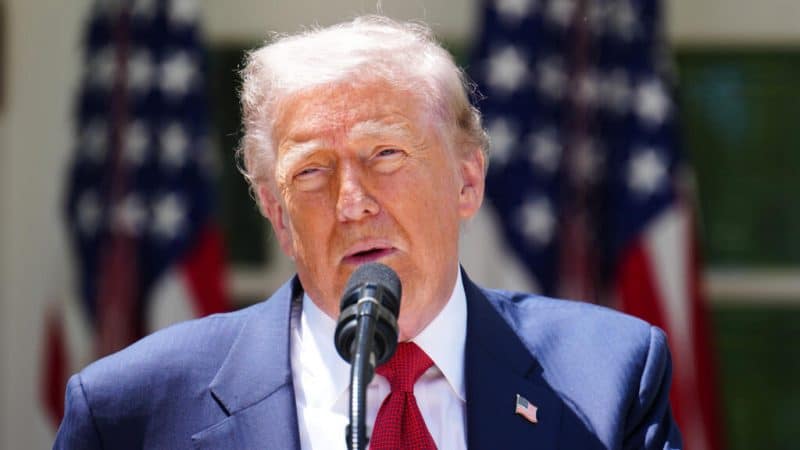
President Donald Trump announced that Russia and Ukraine have agreed to a three-day ceasefire, set to run from May 9 through May 11. The pause in fighting coincides with Russia’s annual Victory Day celebrations, which commemorate the Soviet Union’s role in defeating Nazi Germany in World War Two.
The agreement calls for a complete suspension of military activities between the two nations. It also includes a prisoner exchange, with 1,000 captives being returned by each side.
What the ceasefire actually involves
Both Ukrainian President Volodymyr Zelenskyy and Russian President Vladimir Putin confirmed the deal.
Zelenskyy responded to the announcement with a touch of dark humor, issuing a decree stating that Ukrainian forces would not target Russia’s Victory Day parade.
Zelenskyy also affirmed Ukraine’s commitment to the prisoner return component, framing it as part of broader diplomatic reciprocity.
Trump expressed hope that the temporary truce could serve as a stepping stone toward a more permanent resolution, characterizing it as a potential signal that the lengthy conflict might be approaching its end.
A history of failed pauses
This is not the first attempt at a ceasefire tied to Victory Day. Ukraine had proposed its own cessation of hostilities for May 5-6, a bid that did not produce a lasting agreement. Russia separately floated a pause covering May 8-9, also pegged to the holiday period.
Neither of those earlier efforts resulted in a mutually accepted deal.
Victory Day is deeply significant in Russian national identity, celebrating the defeat of fascism. Moscow has frequently invoked that legacy to frame its military operations in Ukraine, a framing that Kyiv and most Western nations reject.
What this means for markets and geopolitics
Crypto markets remained stable following the announcement, with no significant price movements attributable to the ceasefire news.
The prisoner exchange component requires logistical coordination, communication channels, and a baseline level of trust between military commands, returning 1,000 prisoners per side.