Evernorth Says XRP’s Real Story Is Institutional Plumbing
Key Takeaways
Evernorth says XRP’s institutional story depends on infrastructure for regulated capital.Recent XRPL upgrades added compliance controls, restricted environments, and settlement tools.Future lending and privacy features could expand XRP’s role beyond speculation.
XRP’s Institutional Case Depends on Infrastructure, Evernorth Says
Evernorth, an XRP treasury company building its strategy around long-term participation in the XRP ecosystem, has asserted that XRP’s most important institutional story is not price action, exchange-traded fund (ETF) demand, or tokenization headlines. In a blog post by Chief Business Officer Sagar Shah on May 8, the firm said the XRP Ledger’s deeper shift is happening in the infrastructure that regulated capital needs before it can operate on public blockchain rails.
Recent XRPL upgrades support that view. Multi-Purpose Tokens brought compliance controls into tokenized assets, including KYC requirements, transfer limits, allowlists, freeze controls, and clawback functions. Permissioned Domains added restricted environments for approved wallets. Token Escrow expanded settlement tools, while Permissioned DEX created controlled trading venues for approved counterparties. Shah said:
“The most overlooked development on XRP right now is the institutional plumbing, not a price chart, ETF flows, or a tokenization headline.”
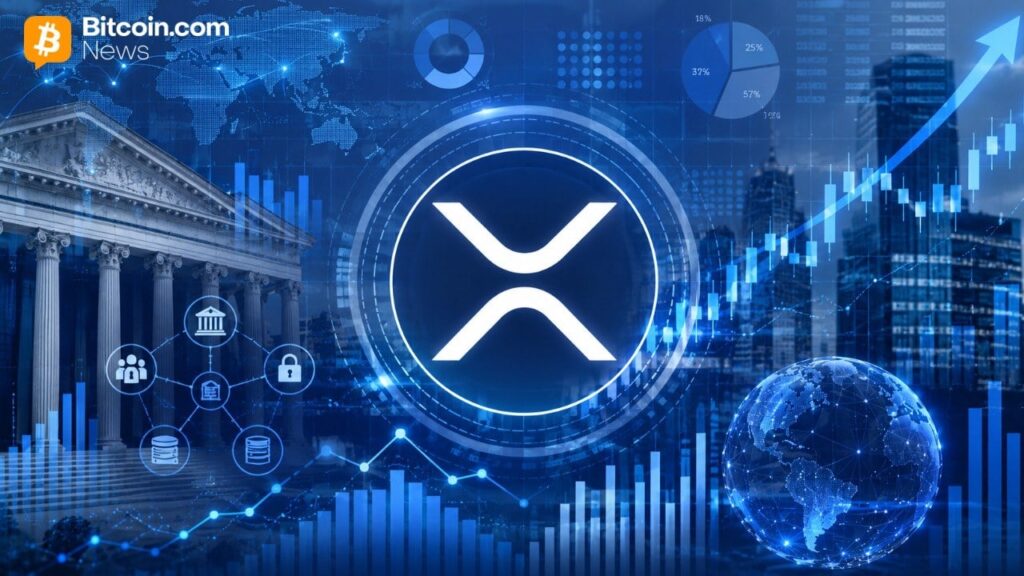
That framing moves XRP away from a hype-driven market narrative. Evernorth presents XRPL as a network being shaped around compliance, settlement, custody, lending, and privacy. Those functions matter because banks and asset managers need controlled access, clear counterparties, auditable transactions, and lower settlement risk before moving serious capital on-chain.
XRPL Upgrades Add Compliance, Settlement, and Privacy Features
Privacy and lending are also central to the thesis. A native zero-knowledge proof verifier is live on testnet, with mainnet integration tied to Smart Escrow development. Lending protocols under development would support pooled markets, stablecoin deposits, borrowing against tokenized Treasuries, and lending of tokenized bonds.
Shah added:
“That’s why we view the plumbing as the overlooked part of the XRP story. By the time the headlines catch up, the rails will already be operating.”
The broader point is that XRP’s institutional case may depend less on what investors see on charts and more on whether XRPL can handle the quiet financial machinery regulated firms require. Evernorth’s message is simple: if the infrastructure works, the institutional story becomes much larger than speculation.