Goldman Sachs delays Fed rate cut outlook to December 2026 amid inflation pressures
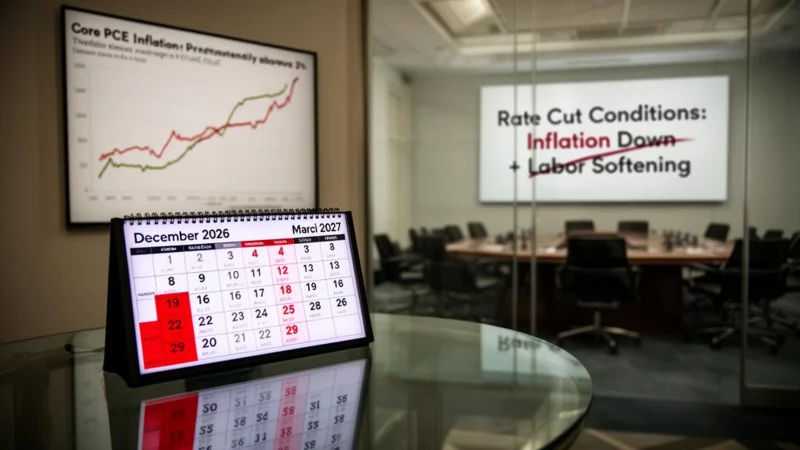
Goldman Sachs has pushed back its forecast for the first Federal Reserve rate cut to December 2026, with a follow-up reduction expected in March 2027. The culprit is a familiar one: inflation that refuses to cooperate, currently running at 2.9%, fueled by energy price shocks tied to the ongoing conflict in Iran.
The inflation problem that won’t quit
The Iran conflict has thrown a wrench into global oil supply chains, and the resulting energy cost surge is feeding directly into US consumer prices. At 2.9%, inflation remains stubbornly above the Fed’s 2% target.
The US labor market refuses to cool off. The economy added 115,000 jobs in April 2026. That’s not blowout growth, but it’s enough to keep wage pressures elevated and give the Fed zero urgency to ease.
Fed officials have signaled that no rate cuts are on the table for the remainder of 2026. That aligns neatly with Goldman’s projection.
Goldman’s analysis implies a 44% chance of a rate hike by April 2027. Not a cut. A hike.
What this means for Bitcoin and crypto
Bitcoin was trading around $80K as of May 9, 2026, and Solana posted a 6% gain that same day.
Prolonged high rates constrict overall liquidity in the financial system. Less liquidity means fewer dollars chasing digital assets. This is the exact dynamic that crushed crypto in 2022 when the Fed embarked on its aggressive hiking cycle.
Bitcoin has matured as an asset class, with spot ETFs and deeper institutional participation. That structural support likely explains why BTC has held $80K rather than cratering.
The rate hike scenario nobody wants to talk about
That 44% probability of a rate hike by April 2027 deserves its own attention. The Fed, instead of beginning to unwind years of tight policy, could decide the inflation problem requires even more aggressive action.
The US dollar, already benefiting from relatively hawkish Fed positioning compared to other central banks, would likely strengthen further. A stronger dollar historically acts as a headwind for Bitcoin, since much of global crypto demand is denominated in dollars.
Goldman still expects cuts, just much later than previously anticipated. The next several months of inflation data will determine whether Goldman’s December 2026 timeline holds or gets pushed back yet again.