

Trump says US-Iran ceasefire is on ‘massive life support,’ and crypto markets are feeling the pressure
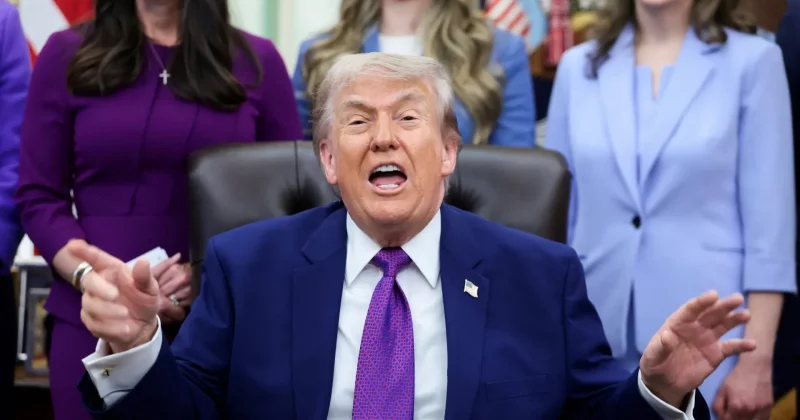
A ceasefire that barely made it a month is already gasping for air. President Trump declared the US-Iran ceasefire to be on “massive life support” after rejecting Iran’s latest peace proposal, a move that threatens to unravel the fragile diplomatic progress made in early April and sends fresh shockwaves through crypto markets already on edge.
Bitcoin, which surged past $72,000 on April 8 following the original ceasefire announcement, has since retraced to around $81,000 as tensions re-escalated.
The Treasury crackdown adds a crypto dimension
On April 24, the US Treasury froze $344 million in cryptocurrency assets linked to Iran. It’s a clear signal that Washington views crypto-based sanctions evasion as a front in this conflict, not a sideshow.
Earlier, in February, US authorities went after platforms like Zedcex and Zedxion for allegedly facilitating Iranian sanctions evasion.
Iran accounts for approximately 4.5% of the global Bitcoin hashrate as of 2026, driven largely by cheap energy that makes mining economically attractive even under sanctions pressure.
Prediction markets put a price on uncertainty
Polymarket, the prediction market platform, has recorded $280 million in trading volumes on US-Iran ceasefire bets since February 28. That figure illustrates how deeply crypto infrastructure has become embedded in the way people process and bet on global events.
Iran’s broader crypto footprint is substantial. The country has built up an estimated $8-10 billion in annual cryptocurrency activity despite international sanctions, spanning mining, trading, and decentralized finance platforms.
What this means for investors
The enforcement side of this equation is getting sharper. The $344 million asset freeze, the targeting of specific platforms, and the broader regulatory scrutiny of privacy-focused tokens all suggest that the US government is increasingly willing to treat crypto infrastructure as a sanctions enforcement battleground.
The same decentralization that makes Bitcoin attractive as a hedge against geopolitical chaos also makes it attractive for sanctions evasion. Privacy-centric tokens and DeFi platforms could see elevated demand if the conflict escalates, but that demand comes with a target on its back.