
Sam Altman testifies Elon Musk demanded 90% control of OpenAI
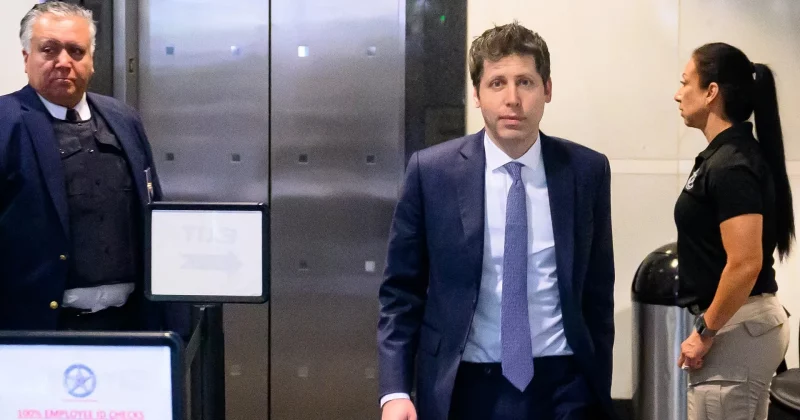
Sam Altman took the stand in Elon Musk’s civil trial against OpenAI and delivered a claim that reframes the entire origin story of the world’s most valuable AI company. According to Altman’s testimony, Musk demanded 90% of OpenAI’s equity during the organization’s early formation, along with full board control and the CEO title.
A founding story told in court
Altman’s testimony covered negotiations between the two men from 2015 to 2018, a period during which OpenAI was still finding its footing as an organization. During those years, Musk reportedly pushed for majority equity, dominance over the board, and the top executive role, a combination that would have given him something closer to a personal fiefdom than a collaborative research lab.
The testimony directly contradicts the narrative Musk has been advancing in his lawsuit. Musk has accused Altman and other OpenAI leaders of effectively looting the nonprofit entity the two co-founded. His legal complaint frames OpenAI’s evolution from a nonprofit research lab into a for-profit juggernaut as a betrayal of the organization’s founding mission.
Altman’s version of events flips that story on its head. In his telling, Musk didn’t walk away from OpenAI because it strayed from its ideals. Musk abandoned the project, and his departure altered its trajectory.
The nonprofit-to-profit pipeline
At the core of this legal battle sits a structural question that matters far beyond these two men. OpenAI began as a nonprofit with the stated goal of developing AI safely for the benefit of humanity. It has since pivoted toward a for-profit model, attracting billions in investment from Microsoft and others, and becoming one of the most commercially valuable technology companies on the planet.
Musk’s lawsuit argues that this transformation represents a fundamental breach of what OpenAI was supposed to be. Altman’s testimony undercuts that framing by suggesting Musk’s real frustration wasn’t about mission drift. It was about losing control of something he wanted to dominate from the start.
What this means for investors and the AI sector
The trial’s outcome carries implications that extend well beyond the personal grudge match between Musk and Altman. Microsoft, which has poured billions into OpenAI, is watching this trial closely. A ruling that questions the legitimacy of OpenAI’s nonprofit-to-profit conversion could create complications for the partnership that has been central to Microsoft’s AI strategy. Even if the legal outcome doesn’t directly unwind any deals, the discovery process alone is surfacing internal communications and governance decisions that OpenAI would probably prefer stayed private.
Musk runs xAI, his own AI venture that directly competes with OpenAI. The discovery process has already revealed more about OpenAI’s internal dynamics than years of journalism managed to uncover, and the testimony is reshaping public understanding of how OpenAI came to exist and who wanted what from it.