
3 Asian Central Banks Unite to Connect Stablecoins Across Borders
Key Takeaways
Malaysia and Thailand join Singapore as BLOOM’s three policymaker members.Shared frameworks aim to reduce separate agreements and implementation costs.Participants will address acceptance, network connections, and transaction safeguards.
Central Banks Seek Common Ground for Digital Money
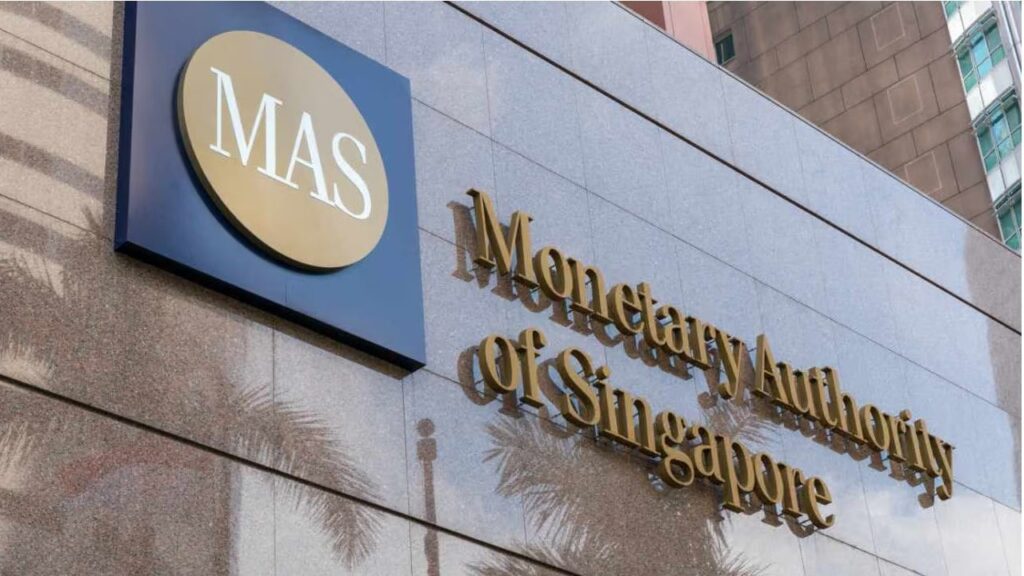
Cross-border digital money settlement is the focus of expanded cooperation among the central banks of Singapore, Malaysia, and Thailand. The Monetary Authority of Singapore (MAS) announced the BLOOM expansion on Oct. 23, adding Bank Negara Malaysia and the Bank of Thailand as policymaker members.
Named for Borderless, Liquid, Open, Online, and Multi-currency, BLOOM is a public-private initiative involving regulators, banks, payment networks, and technology providers. Its scope includes regulated stablecoins designed to track a reference asset, often a national currency, and tokenized deposits, which represent bank deposits recorded as digital tokens.
Other participants include Mastercard; Visa; Nium, a cross-border payments infrastructure provider; Ripple; Circle; Coinbase; Airwallex, a financial platform for businesses; Maybank, a Malaysian banking group; Monee, Sea’s digital financial services business; Shopeepay, a digital wallet and payment service; and the World Bank Group. Applications being advanced through BLOOM span payments, corporate treasury operations, and trade finance.
Leong Sing Chiong, MAS deputy managing director for markets and development, said:
“The future of finance will involve multiple forms of digital money operating across different institutions and markets.”
Shared Frameworks Target Costs and Transaction Safeguards
Common frameworks would reduce the need for separate agreements with every counterparty or market, lowering implementation costs and shortening time to market. BLOOM’s acceptance and interoperability work examines how institutions accept different forms of money, contract with one another, complete settlement, and connect their systems. Programmable controls involve rules built into digital transactions to apply identity verification, sanctions screening, and other safeguards.
Singapore’s regulatory proposals address how tokens issued across jurisdictions could qualify for recognition under its stablecoin framework. MAS proposed legislative changes for stablecoin regulation on Sept. 1, including pathways for jointly issued tokens and a limited number of foreign-issued stablecoins under comparable rules. Proposed issuer safeguards include stress testing, recovery planning, and orderly wind-down requirements.
BLOOM participant Mastercard (NYSE: MA) introduced Stablecoin Security for payment screening on Oct. 19 as a separate effort addressing transaction safeguards. The system combines payment intelligence and blockchain analytics to assess fraud and sanctions risks. Initial partners include Borderless.xyz, which connects institutions to licensed stablecoin providers, and Keyrails, which supports high-value cross-border trade payments. The rollout starts in North America, with worldwide commercial availability expected in 2027.
Visa Pilot Explores Seven-Day Stablecoin Settlement
As one application being tested under BLOOM, Visa (NYSE: V) and Nium are exploring settlement seven days a week through their stablecoin pilot. Announced Aug. 25, the project covers weekends and public holidays. Its design supports regulated tokens denominated in major currencies, including U.S. dollars and euros, using Visa’s payment network and compliance capabilities.
Settlement financing is another digital money application being developed by a BLOOM participant. In a separate partnership, Ripple and Arf are bringing RLUSD financing for licensed payment companies needing working capital while cross-border transfers settle. Announced Oct. 22, the arrangement uses Ripple’s dollar-pegged stablecoin, RLUSD, with Arf providing short-term settlement financing. Its initial offering will supply liquidity directly on the XRP Ledger.
The World Bank Group’s participation brings perspectives from developing economies to the initiative. MAS highlighted the group’s global experience in payment-system modernization, cross-border payments, and financial inclusion, or expanding access to financial services.