
4 Key Takeaways and What They Mean for Bitcoin
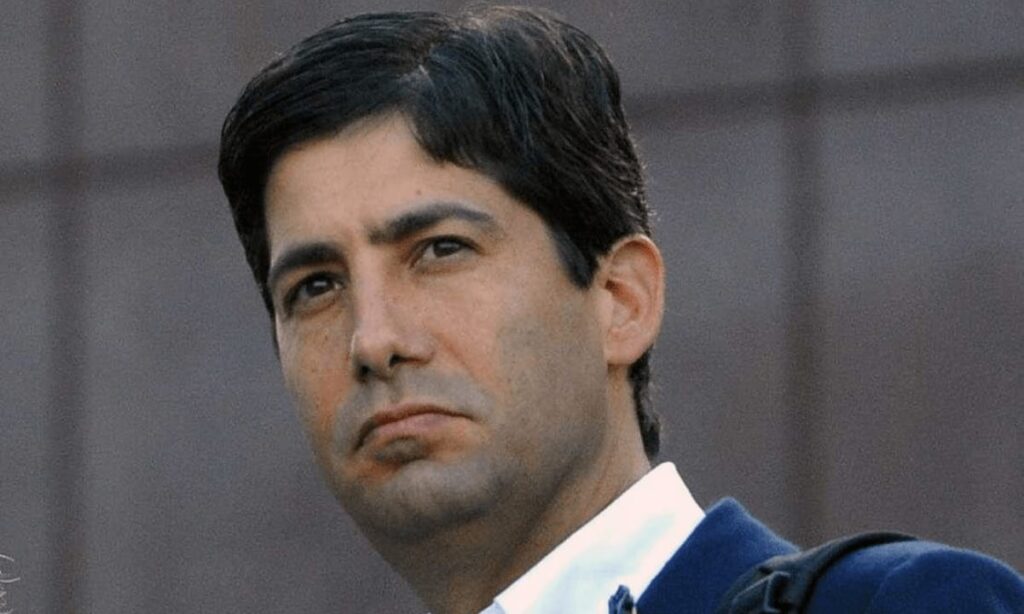
Here’s what Warsh signaled about the upcoming FOMC meeting and whether the central bank plans to hike rates again.
Federal Reserve Chairman Kevin Warsh delivered one of the week’s most closely watched central-bank appearances on Friday morning, following the hotter-than-expected CPI and PPI reports from earlier this month that revived fears of another US rate increase.
Speaking alongside IMF Managing Director Kristalina Georgieva at the IMF-World Bank Annual Meetings in Bangkok, Warsh refused to signal clearly on the Fed’s next move.
Inflation Still a Priority but No Hint
Fed’s Chair reiterated that the central bank intends to “deliver price stability” and reminded that it removed “a close of accommodation” with September’s 25-basis-point hike. However, he explained that he does not “prejudge meetings” and would not announce in advance what he might do at the remaining 2026 gatherings.
This was particularly important for markets after the recent CPI and PPI readings, which showed that the inflation scare has not gone away. Recall that September CPI accelerated to 3.7%, higher than expected, and the odds of a near-term rate hike jumped. Following Warsh’s remarks, though, the implied probability of an upcoming increase in two weeks fell from around 27% to 15%, according to the Financial Times.
Markets interpreted the absence of hawkish warnings as relief rather than an outright dovish turn. US stock futures jumped, Asian equities recovered some of the recent losses, and the greenback softened.
Warsh also argued that inflation is not solely a US problem, pointing to a “synchronous tightening” by central banks worldwide as policymakers respond to the same price increases.
AI, Growth, Bitcoin Meaning
Warsh said he was surprised by how well the global economy had withstood geopolitical and monetary-policy shocks, while highlighting what he called a significant US investment boom. He was particularly optimistic about AI, describing it as potentially one of the most consequential economic changes of his lifetime.
You may also like:
Although AI is currently boosting demand through massive investment spending, Warsh expects it to become a positive supply shock over the medium term by improving productivity.
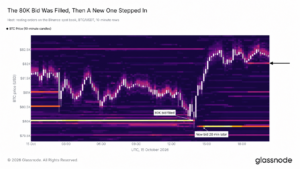
The impact on Bitcoin has been somewhat mixed. The immediate positive is that Warsh did not validate fears of an imminent October hike, reducing one of the macro risks that pushed the cryptocurrency below $80,000 after the hot inflation reports.
However, this was not a signal that monetary tightening is finished. Persistent inflation remains the Fed’s main problem, while Warsh’s confidence in US growth gives policymakers more room to keep rates elevated if price pressures remain stubborn.