
6 Continents Sound Alarm on Scams Targeting Investor Trust
Key Takeaways
Scammers may allow small withdrawals before blocking access to funds.Fake regulatory messages can seek passwords and crypto wallet access.Relationship investment scams cost investors billions annually.
A Global Campaign Puts Investor Trust Under Scrutiny
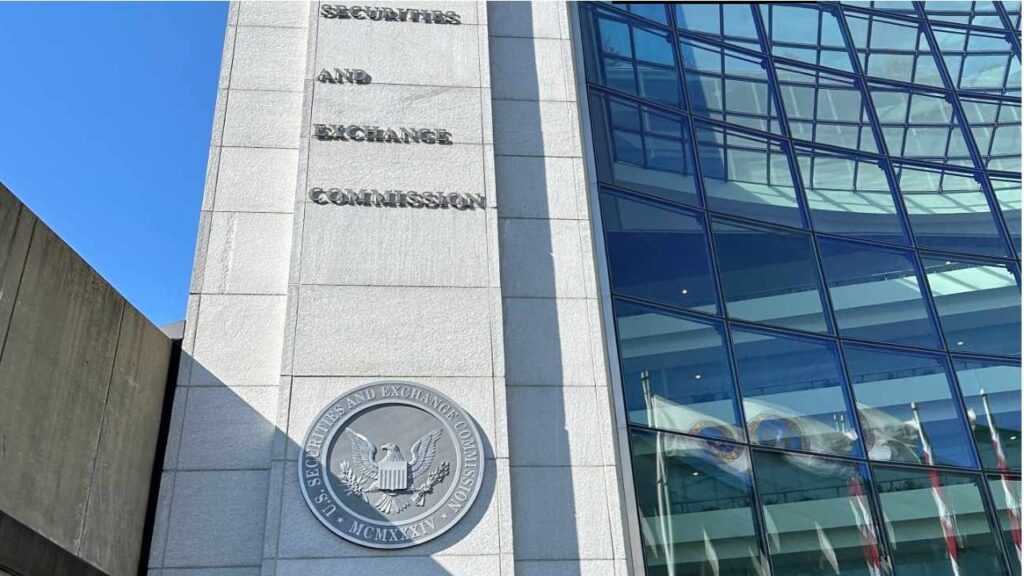
Someone posing as a friend, financial professional, or regulator could steal money from unsuspecting people, according to a joint U.S. warning issued Oct. 5. The Securities and Exchange Commission (SEC) and five partner organizations highlighted relationship investment and impersonation scams while connecting fraud awareness with preparations for market volatility and changing economic conditions.
The warning forms part of World Investor Week’s campaign across six continents, promoted by the International Organization of Securities Commissions, a global association of securities regulators. Now in its 10th year, the initiative brings together authorities and other participants for educational activities, communications, and workshops.
U.S. partners include the Commodity Futures Trading Commission, Financial Industry Regulatory Authority, Securities Investor Protection Corporation, National Futures Association, and North American Securities Administrators Association. SEC Chairman Paul S. Atkins said:
“This week, as always, I urge investors to take advantage of the resources on the SEC’s Investor.gov website and to remain vigilant against potential scams.”
John Moses, director of the agency’s Office of Investor Education and Assistance, linked resilience with fraud protection and weathering market volatility. He also highlighted Investor.gov’s free information and financial planning tools.
A Friendly Message Can Lead to Fake Profits
Relationship schemes often begin with unsolicited contact that develops into friendship or romance over weeks or months. The fraudster then introduces a purported opportunity, using a fake website or app to display fabricated returns and encourage larger deposits. Small withdrawals may initially be allowed to build confidence before access to funds is blocked.
This pattern featured in the regulator’s first relationship investment scam enforcement actions in September 2024, involving purported crypto platforms Nanobit and Coinw6. The cases alleged professional impersonation or romantic relationships used to solicit money. A court entered a default final judgment, issued after defendants failed to respond, against four entities and two individuals in the Nanobit case on June 16.
More recently, fraud charges involving more than $15.3 million filed Sept. 29 targeted entities behind Cryptoaiml and TSAI programs. According to the agency, both operations used online relationships and false regulatory claims to attract deposits. Cryptoaiml allegedly showed fictitious profits and demanded withdrawal fees, while TSAI allegedly promoted AI trading bots that did not exist.
Fake Officials Seek Money and Account Access
Impersonation exploits recognizable identities, with criminals presenting themselves as government employees, investment advisers, or representatives of legitimate firms. An April warning described scammers impersonating SEC officials through social media and text messages using official branding. The new bulletin explains that AI makes these deceptions harder to distinguish from genuine communications and warns about falsified documents.
Requests for passwords, account details, or wallet credentials overlap with bitcoin and crypto phishing tactics, in which attackers pose as trusted representatives to obtain sensitive information. The bulletin identifies private keys, which authorize cryptocurrency transfers, and seed phrases, the recovery words used to restore wallet access, among the information criminals seek.
The U.S. effort continues with a joint investor education webinar on Oct. 6. The session is scheduled to cover relationship scams, regulator impersonation, and financial influencers, people who share financial content online. Attendance is free, with registration required.