
Nexus ID Breach Exposes a Blueprint for Fraud, Experts Warn
Key Takeaways
Nexus claimed roughly 170 million ID records, including 153 million U.S. and Canadian licenses.Ordekian warns Nexus ID scans could fuel fraud because victims cannot simply reset their identities.Sumsub’s Popov says ID checks need a 2nd factor as the FBI investigation remains open.
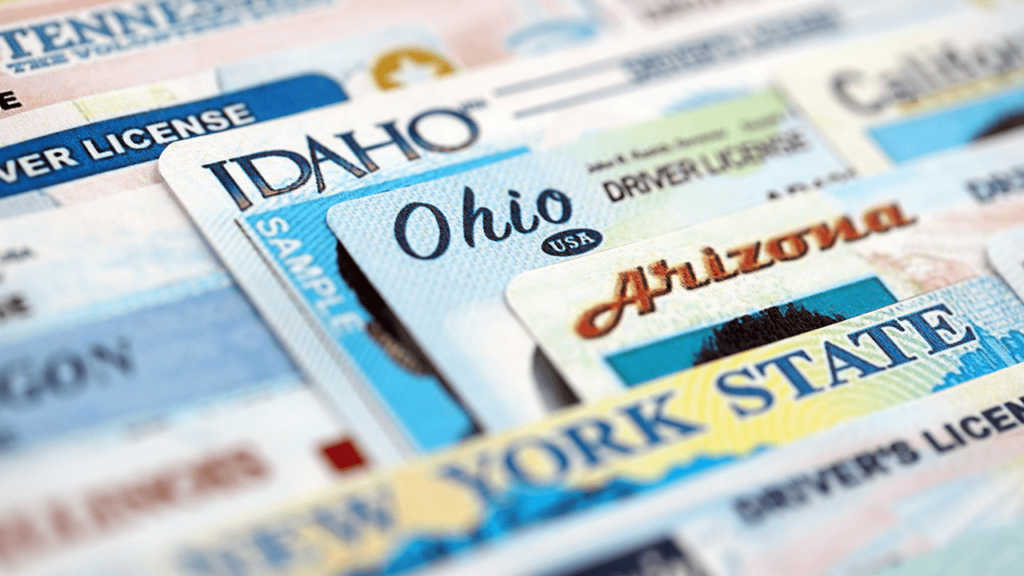
The dark-web marketplace surfaced in late August, claiming access to roughly 170 million records, including more than 153 million U.S. and Canadian driver’s licenses, 10 million other IDs, 3 million travel documents, and at least 579,000 medical cards. Its operators claimed the information had been siphoned for more than a year from a major identity verification company.
Nexus Leak Goes Far Beyond a Password Dump
A password breach is ugly, but there is usually an escape hatch: Change the password. Government identification is a different beast. Dr. Marilyne Ordekian noted that driver’s licenses contain information that follows people for years, if not forever, including their photograph, home address and date of birth.
“With breaches leaking passwords, one can reset their credentials and move on,” Ordekian said. With stolen government IDs, she explained, the information is effectively baked into a person’s identity and cannot simply be reset after criminals get their hands on it.
What makes Nexus particularly alarming is the reported presence of infrared and ultraviolet scans. Ordekian explained that these scans are “a security measure used to verify authenticity,” meaning they are used “to authenticate a physical document as genuine.” She warned that criminals potentially have “not just your ID, but also have the blueprint and the technical layer used to prove your ID is genuine.”
That opens up a great deal of trouble. “Every ID-gated system, be it opening a bank account, a cryptocurrency exchange account, renting a car, verifying a wire transfer etc (anything that relies on this type of ID for identity verification) is now a potential attack surface which can be exploited,” Ordekian said.
Stolen Security Features Raise the Stakes for Fraud
Once those records reach criminal markets, identity theft is only the starting point. Stolen credentials could potentially be recycled for impersonation, fraudulent bank accounts, money laundering, and other schemes. Ordekian warned that the infrared and ultraviolet material could make fraudulent use harder for verification systems to detect because the underlying documents themselves are real.
There is also a physical-security angle. “We’ve been seeing within the cryptocurrency space, for example, how some users and victims of data breaches are being identified as investors and being targeted physically to give out their assets,” Ordekian stressed. “In this situation here, it can also endanger domestic violence survivors and people in witness protection programmes.”
Private keys aren’t the only crypto risk.KYC leaks matter too.
Incoming Assist. Prof. at Durham Law, Dr. Marilyne Ordekian tells @_dsencil about KYC leaks, hot-wallet risks, and real-world attacks.
Your threat model may be missing the human side.Full interview. ⏬ pic.twitter.com/xocJ6wOh3r
— Bitcoin.com News (@BitcoinNews) September 8, 2026
The Nexus trail has pointed toward New Orleans-based identity verification provider IDScan.net, which says it processes more than 21 million identity checks per month across more than 20,000 locations. IDScan has not formally confirmed that it was breached, but the company told customers it was investigating information suggesting data may have been exposed and that the company “may be implicated.”
Nexus Puts the KYC Data Honeypot Under the Microscope
The episode also raises an uncomfortable question for know-your-customer, or KYC, systems: Does collecting massive repositories of identity documents create a honeypot that becomes irresistible to criminals?
Artem Popov, head of fraud prevention products at Sumsub, said the danger is broader than KYC providers alone. “Storing personal data anywhere carries risk, and that’s true for any business handling it, not just KYC providers,” Popov told Bitcoin.com News. He said people should effectively assume a document photograph is exposed once shared online because it can pass through numerous services beyond their control.
Popov also cautioned that stolen documents are only one piece of the fraud machine. “A lot of these leaks also come down to social engineering, where someone is simply convinced to hand their data over, which is exactly why a document photo alone should never be enough to onboard anyone,” Popov said.
Experts Push Identity Checks Beyond the Document
The next step, Popov said, is adding another layer. “In the same way a password isn’t enough to log into anything sensitive anymore, a document needs a second factor behind it, like liveness detection, to confirm it actually belongs to the person presenting it.” Liveness detection generally asks a user to prove that a real person is physically present rather than someone merely submitting a stolen photograph or document.
Simply replacing IDs with biometric data is not a silver bullet either. Popov warned that biometrics introduce their own permanent risk because a face or other biological identifier cannot be reissued once compromised. Ordekian, meanwhile, said the episode should force a deeper examination of identity verification security rules and how those protections are enforced.
The FBI investigation remains open, according to Krebs on Security, proposed class actions have already been filed, and IDScan has yet to publish a full forensic account, leaving the industry not out of the woods yet as investigators work to determine exactly what happened and how far the exposure reaches.