

Brad Garlinghouse Says XRP Remains at Heart of Ripple Business
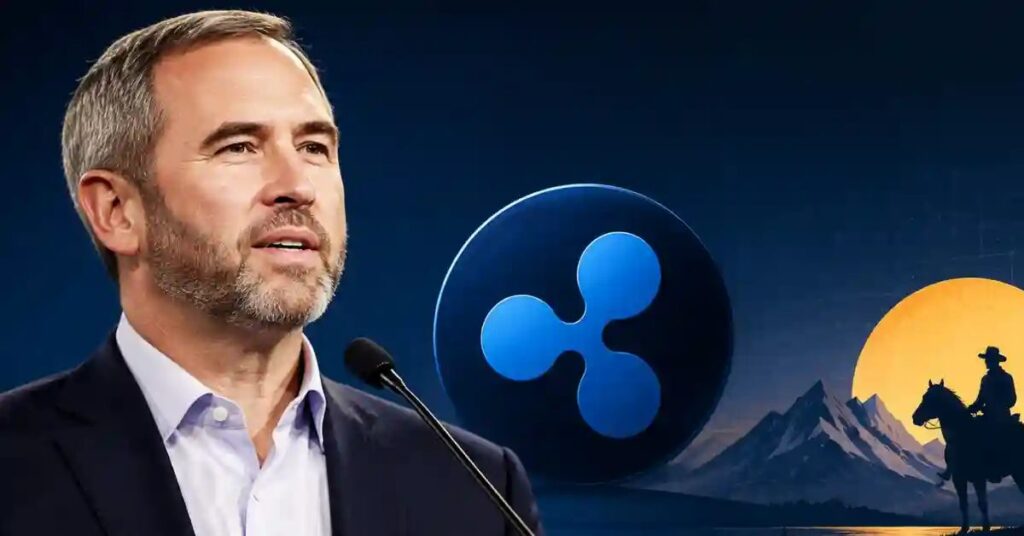
Ripple CEO Brad Garlinghouse has finally weighed in on the growing concern among XRP holders: Is RLUSD becoming more important to Ripple than XRP? The question has gained attention as Ripple expands its stablecoin business.
Some holders worry that institutions could use RLUSD for payments and settlements without needing XRP, reducing demand for the native token.
Why XRP and RLUSD Serve Different Purposes
The discussion intensified following RLUSD’s Coinbase expansion on 28 October. Some XRP holders questioned whether institutions could increasingly rely on the dollar-backed stablecoin for settlements instead of using XRP-based On-Demand Liquidity (ODL).
However, XRP Ledger community member Vet explained that the two assets serve different purposes.

RLUSD is a stablecoin backed by the US dollar. Its value stays close to $1, making it useful for payments, payroll, and invoices. Ripple can also freeze RLUSD tokens when required by law.
XRP has no central issuer and is not backed by a currency. Its price changes with market demand. On the XRP Ledger, it is used to pay transaction fees and meet account reserve requirements.
XRP Holds a Special Role in XRPL Liquidity
Vet also explained that XRP has a built-in role in the network. Users need to set up a trust line to hold RLUSD, while XRP is already available on the ledger.
This allows XRP to function as an intermediary asset in cross-currency trades, potentially reducing the need for separate liquidity pools for every currency pair.
Around half of the total RLUSD supply runs on the XRP Ledger. Each RLUSD transaction on the network also burns a small amount of XRP to pay transaction fees.
This means more RLUSD activity can increase XRP usage on the network, although the amount of XRP burned per transaction is small.
Garlinghouse Calls Them “Complementary Assets, Not Competitive”
Garlinghouse’s comments support Vet’s explanation that XRP and RLUSD serve different purposes rather than compete with each other.
He described the two assets as “complementary, not competitive.”
Garlinghouse had also made this point at the Ripple Swell event. In an interview, he said XRP remained at the heart of Ripple’s business and RLUSD was launched to support it, not replace it.
Was this writing helpful?
Story Ends Here
Trust with CoinPedia:
CoinPedia has been delivering accurate and timely cryptocurrency and blockchain updates since 2017. All content is created by our expert panel of analysts and journalists, following strict Editorial Guidelines based on E-E-A-T (Experience, Expertise, Authoritativeness, Trustworthiness). Every article is fact-checked against reputable sources to ensure accuracy, transparency, and reliability. Our review policy guarantees unbiased evaluations when recommending exchanges, platforms, or tools. We strive to provide timely updates about everything crypto & blockchain, right from startups to industry majors.
Investment Disclaimer:
All opinions and insights shared represent the author’s own views on current market conditions. Please do your own research before making investment decisions. Neither the writer nor the publication assumes responsibility for your financial choices.
Sponsored and Advertisements:
Sponsored content and affiliate links may appear on our site. Advertisements are marked clearly, and our editorial content remains entirely independent from our ad partners.
Read the Next News