
Brazil’s Public Prosecutor’s Office Tightens Vigilance on Election Funding
Key Takeaways
The MPF reaffirmed a crypto donation ban on Monday, shielding Brazil’s election market from fraud.Under a Dec 17, 2019, court ruling, candidates must use Pix or traditional banking to verify 100% of funds.Brazil allows digital crowdfunding from May 15th, but forces political campaigns to log all donor IDs.
Brazil’s Prosecutor’s Office Reiterates Ban on Crypto Political Donations Ahead of Presidential Election
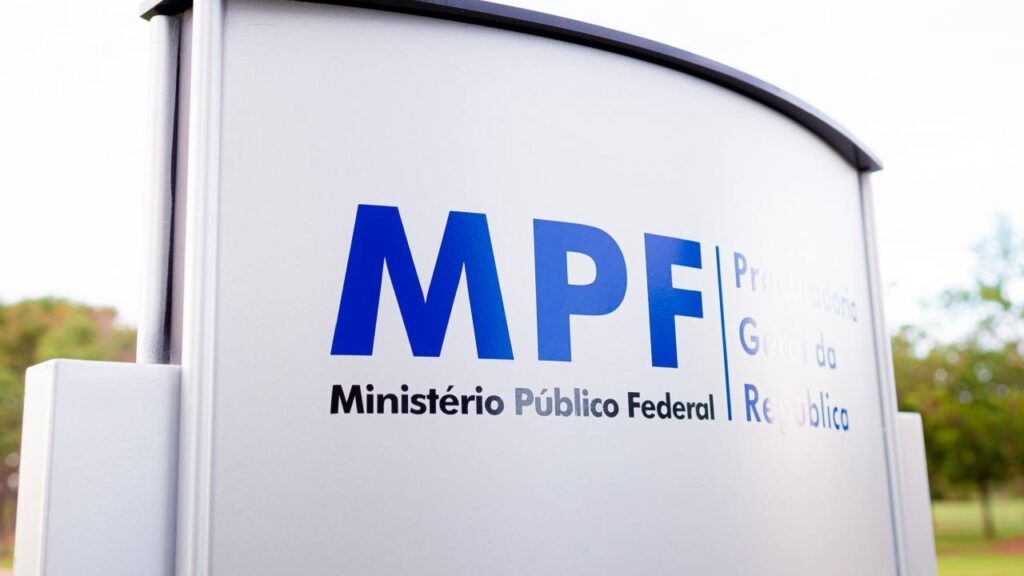
As the general elections get closer in Brazil, the Public Prosecutor’s Office (MPF), which is in charge of overseeing campaign fundraising and electoral spending, is strenghtening its vigilance on political donations.
On Monday, the office issued an article reaffirming a prior ban on cryptocurrency political donations, explaining the reasons for this prohibition.
The office stated that the path to financial donations for an election campaign was restricted in Brazil, as oversight bodies need to verify the origin of the funds corresponding to each donation.
This is why cryptocurrency donations are banned, as this task could be difficult to complete due to the pseudonymous character of these transactions.
“All campaign donations must be identified. They can be made through bank transactions with the donor’s CPF (Brazilian taxpayer ID number) identified. Donations via Pix (Brazilian instant payment system) are also possible. In all cases, the party and the candidate must report and prove the donations received in their campaign finance reports,” it stressed.
The office differentiated virtual currency from virtual crowdfunding. It underscored that raising money online to finance political campaigns, as long as donors are identified accordingly, is permitted. This type of funding has been approved since 2017, when the Election Law was reformed, and is permitted starting May 15th of each election year.
Furthermore, the office clarified that candidates failing to prove the origin of their campaign funds or to disclose any donations could face fines and would have to return these funds to the treasury, facing accountability on abuse of economic power charges.
The ban was established by the Superior Electoral Court in Resolution No. 23,607 and issued on December 17, 2019. The document excluded candidates and political parties from receiving financial donations in virtual currency.