
ChatGPT Ads passes $1B run rate in 200 days
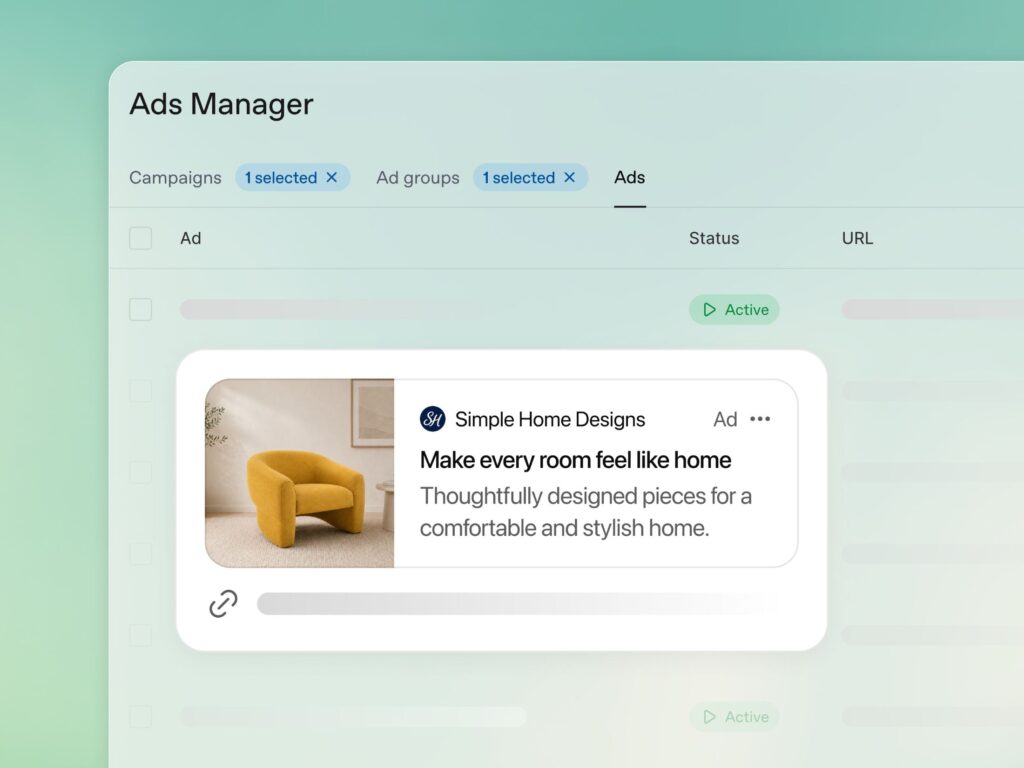
ChatGPT Ads has hit $1 billion in annualised revenue run rate in under 200 days, and OpenAI is expanding self-service ads to new regions. Tens of thousands of advertisers now use the platform and self-service access through Ads Manager is launching today in India, Europe, the Middle East, and North Africa.
According to OpenAI, people arrive at ChatGPT already partway through a decision. Some are comparing market options, or planning something like a renovation. Others are researching a job change or weighing a purchase. OpenAI wants its ad product positioned inside that moment, feeding suggestions into an existing conversation instead of a separate results page.
ChatGPT Ads started under a managed-sales, agency, and partner-led model. The product is now available in more than 40 countries through OpenAI’s Ads Solutions team and its agency and technology partners, and the ecosystem supporting it has grown to more than 50 technology and measurement partners.
Ads Manager – which was introduced in May – opened the platform to small and medium-sized businesses without a managed contract, and OpenAI puts SMBs at a material share of total ad revenue. Advertisers outside the US account for a growing share of that revenue, and many of its largest clients now run campaigns across multiple markets at once.
With self-service access extending to India, Europe, the Middle East, and North Africa, businesses in those regions can open an Ads Manager account and launch campaigns without routing the buy through a managed-sales team or an agency partner first. Those four regions previously reached ChatGPT Ads only through OpenAI’s managed and partner channels, the same route still used across countries where self-service is not yet available.
Brussels raises the compliance bar as ads expand into Europe
Separately, EU regulators have increased oversight of the same product now expanding its advertising business into the region.
The European Commission designated ChatGPT as a Very Large Online Search Engine (VLOSE) under the Digital Services Act (DSA). At the same time, the Commission gave Reddit and Roblox the equivalent platform designation, Very Large Online Platform. All three services had declared reaching at least 45 million average monthly users in the EU, the threshold that triggers the status.
OpenAI now has four months from notification to meet the added DSA duties that come with VLOSE status, putting the deadline at January 2027. Those duties require assessing and mitigating the systemic risks a service and its algorithmic systems create.
The Commission’s list starts with the spread of illegal content and the negative effects of a service on minors. It extends to users’ physical and mental wellbeing, and to the protection of individual rights under EU law. A further category covers risks to electoral processes and public security.
The designation gives the Commission new investigative powers over the functionality behind ChatGPT and any related systems. Supervision sits with the Commission working alongside Coimisiún na Meán, Ireland’s Digital Services Coordinator, since OpenAI’s EU operations are established there.
The Commission classifies ChatGPT as a hybrid service (i.e. it is an AI system that engages with and responds to user prompts, including by searching the web.) That web search capability is why the Commission treats it as a search engine under the DSA. ChatGPT was already subject to the general DSA obligations that apply to search engines before this designation, and VLOSE status now adds a further layer on top of that baseline.
Henna Virkkunen, the Commission’s Executive Vice-President for Tech Sovereignty, Security and Democracy, said the designations mean ChatGPT, Reddit, and Roblox “will now be held to a higher standard of scrutiny and accountability in the European Union, in line with their large impact on our citizens and society.”
Virkkunen added that the Commission continues to monitor online platforms and will designate any service that meets the threshold for enhanced DSA supervision. The Commission has now designated 28 very large online platforms and search engines under the DSA in total, with enforcement split between the Commission and national Digital Services Coordinators across EU member states.
Targeting draws on the conversation itself
The mechanism behind ad selection reads the conversation in progress. OpenAI’s ads system checks the context of what a person is currently discussing with ChatGPT and selects an ad relevant to that topic.
Depending on the country and a user’s settings, the system can also draw on context from a person’s wider use of ChatGPT, extending targeting from the current conversation to interests the user has agreed to share more broadly.
OpenAI describes the result as ads that reflect both what someone is asking about at that moment and, where enabled, their wider interests and preferences.
The company says its ads principles centre on protecting user trust. Ads carry a label marking them as advertising and appear separate from ChatGPT’s answers, and the company adds that advertising does not influence what ChatGPT tells a user. Advertisers do not get access to people’s private conversations, and users retain controls over how their ad experience gets personalised.
OpenAI said its internal measures for trust, relevance, and overall experience have stayed strong throughout the global rollout, though it has not published the underlying figures.
Bidding and measurement tools grow more sophisticated
The advertising product itself has grown more sophisticated alongside the audience. CPC and outcome-optimised bidding now account for the majority of campaigns running on the platform. Pixel and Conversions API integrations have become the main tools advertisers use to pass conversion events back into the system for measurement and optimisation.
OpenAI has also added product feeds, letting advertisers sync catalogue information into campaigns. Platform and geographic targeting lets advertisers narrow a campaign to specific devices or locations. Custom audience tools let advertisers target existing customer lists. OpenAI says the combination helps advertisers reach the customers most relevant to their businesses.
The company points to two examples of outcomes beyond impressions. One ecommerce advertiser allegedly achieved a 3x return on ad spend across its campaigns over 28 days. A technology partner separately claimed that more than 80 percent of ad-driven ChatGPT traffic came from new customers.
The next phase of growth will bring ChatGPT Ads to more markets. New ad formats and campaign objectives are planned alongside that expansion. OpenAI states that additional buying options and measurement capabilities will be deployed as well.
The company also plans to explore “more native ways” for businesses to interact with consumers inside ChatGPT, though it has not detailed what those formats will look like or set a timetable for the rollout.
For now, the concrete change is the expansion to the four new regions. Businesses in those regions can open an Ads Manager account today and launch campaigns using CPC or outcome-optimised bidding, without routing the purchase through OpenAI’s managed-sales team or an agency partner first.
See also: A quarter of Nvidia’s business next year comes from labs it is financing

Want to learn more about AI and big data from industry leaders? Check out AI & Big Data Expo taking place in Amsterdam, California, and London. The comprehensive event is part of TechEx and is co-located with other leading technology events including the Cyber Security & Cloud Expo. Click here for more information.
AI News is powered by TechForge Media. Explore other upcoming enterprise technology events and webinars here.