Jupiter Drops Pokémon and One Piece Cards Onchain in New Gacha Beta Launch
Key Takeaways
Jupiter launched Gacha beta on July 13 with a $100,000 rewards pool tied to Solana packs.Collector Crypt backs each pull, having processed over $1 billion in cumulative gacha volume.Rarible ran a similar Gacha Station in June, signaling wider Solana adoption of graded card tokens.
The Solana-based DEX aggregator built the product with Collector Crypt, the platform that already processes over a million digital repacks and has generated more than $1 billion in cumulative volume. Phygitals contributed the verification technology that ties each token to a physical card.
Jupiter framed the launch around nostalgia and reward. The company wrote that every pull delivers an authenticated slab, the same cards users chased as kids, now tradeable on Jupiter. The announcement pointed to a $100,000 rewards pool distributed through loyalty progress and leaderboards.
How the Packs Work
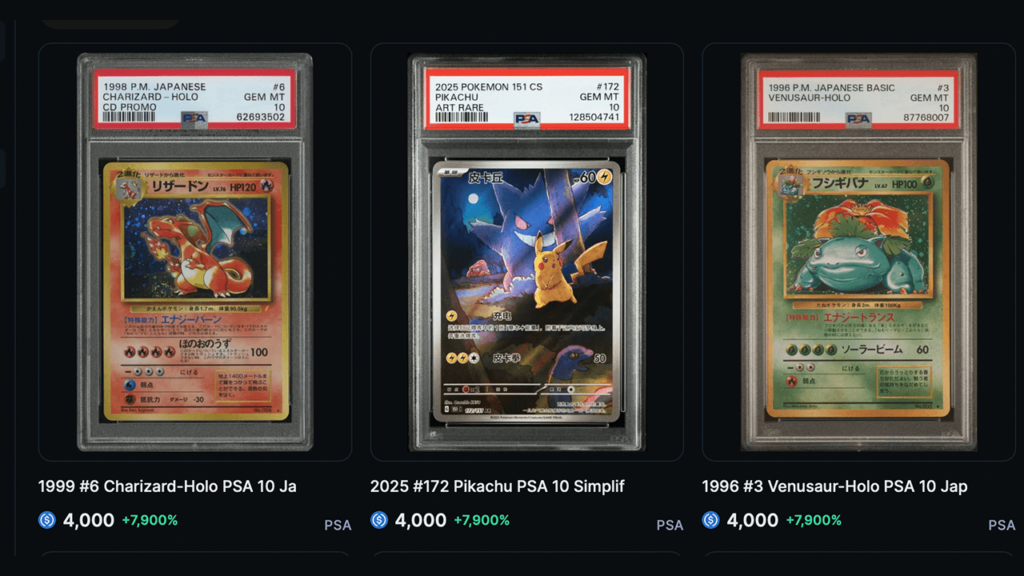
Users access the beta at jup.ag/gacha, where the interface asks them to spin and tap a pack to open it. Each pull returns a graded card, such as a PSA, BGS, or CGC slab, tokenized on the Solana blockchain network.
Cardholders have four options once they pull a slab.
Trade the token on Jupiter Hold it as a collectible Sell it back through the platform’s buyback mechanism Redeem the physical card and have it shipped
Buyback prices typically run 85% to 93% of indexed market value, drawing from data sources like Ebay and ALT. That floor gives holders a defined exit point instead of relying purely on resale demand.
Gachapon Meets Solana: How the Mechanic Works
The format borrows from Japanese gachapon machines, the coin-operated capsule toy dispensers that give buyers a random prize for a fixed price. Mobile games turned that idea into “pulls” and “summons,” handing players random characters or items ranked from common to legendary.
Jupiter Gacha applies the same randomness to real trading cards, using Solana to record each purchase, each reveal, and each transfer of ownership on a public ledger.
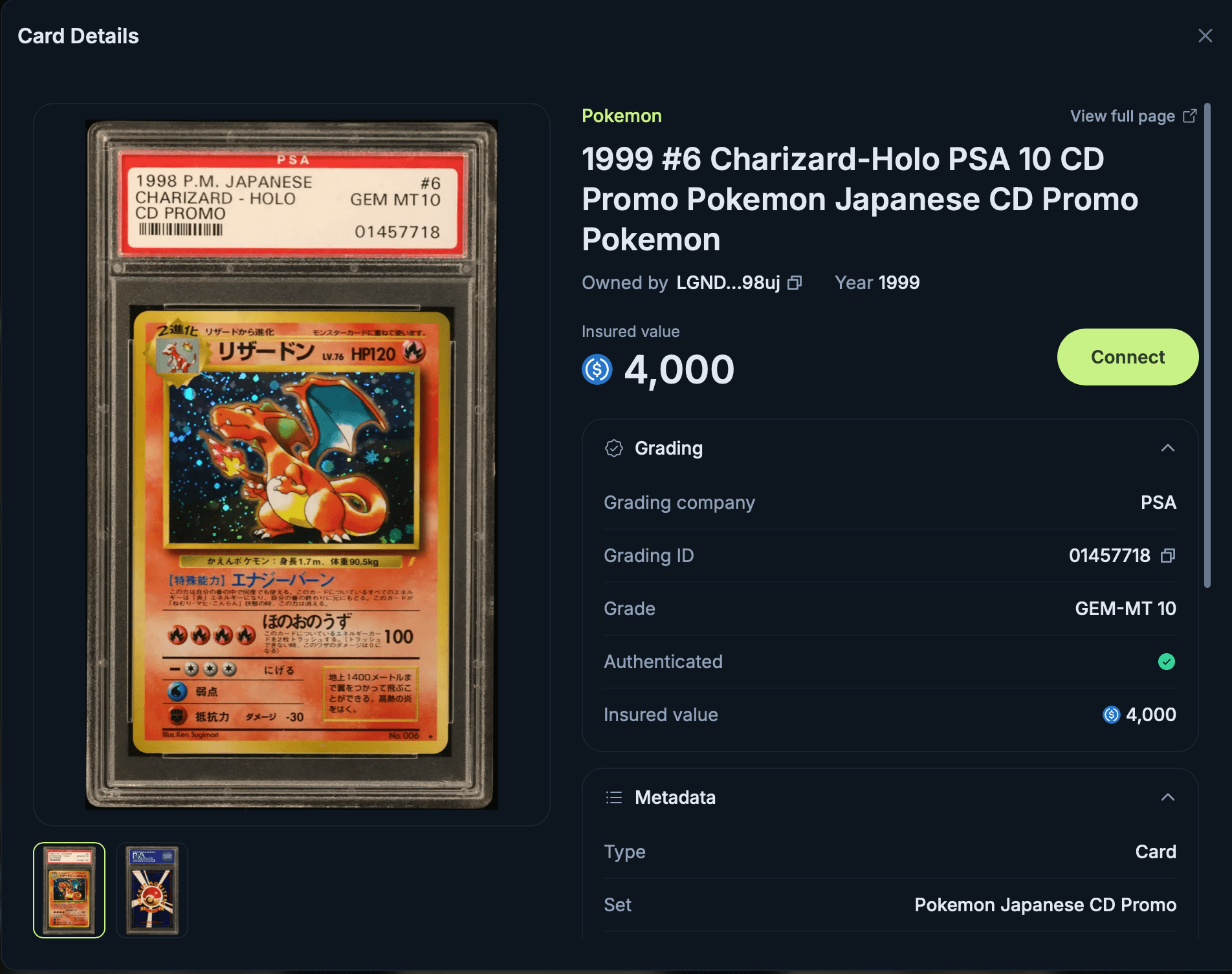
The card version works because Solana can process large volumes of small transactions cheaply, something that made frequent pack openings impractical on high-fee networks. Collector Crypt has processed more than $1 billion in cumulative volume by pairing that speed with a simple structure: a physical card gets graded and vaulted, a matching token gets minted, and the two stay linked one to one until a user decides to trade the token, sell it back to the platform, or redeem the physical slab.
Built on an Existing Lending Market
Jupiter Gacha extends the work the exchange started in June, when it partnered with Collector Crypt and Phygitals to accept graded cards as collateral on its Offerbook lending market. That system lets users borrow USDC against a tokenized slab without selling it, using fixed-term loans with no price-based liquidations in the initial phase.
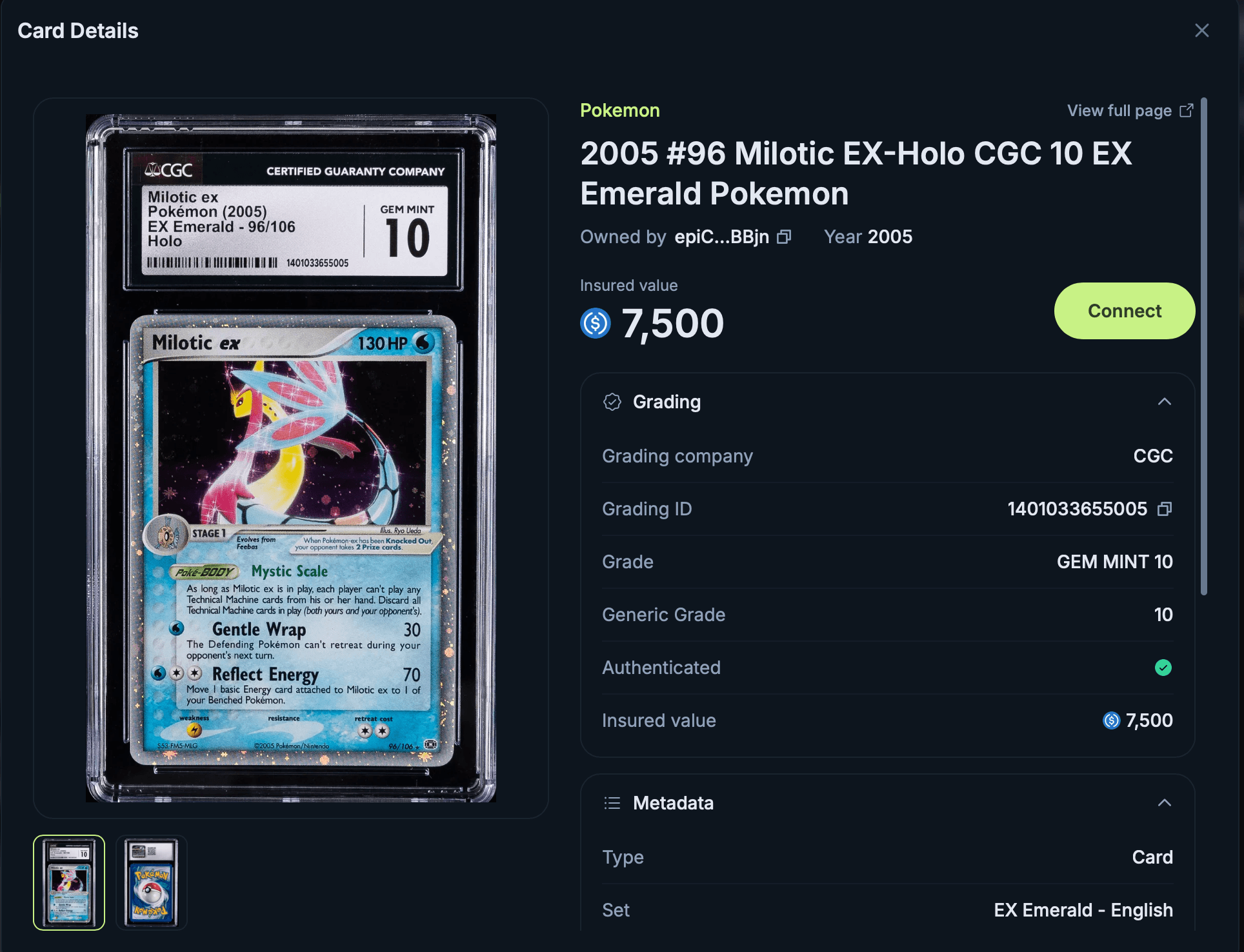
Collector Crypt confirmed the new partnership in a post the same day, saying the companies are bringing real graded Pokémon and One Piece cards fully onchain through Jupiter Gacha.
Part of a Broader Trend on Solana
Jupiter is not the first major platform to route this model to a large user base. Rarible launched a Gacha Station in June, also built on Collector Crypt’s backend, with packs starting at $25 across Pokémon, One Piece, anime, and sports categories.
What sets Jupiter apart is scale. As the largest DEX aggregator on Solana by trading volume, Jupiter can push the gacha format to a user base most competitors do not have, while linking the experience directly to its existing trading and lending products.
What This Means for Traders
Tokenized cards traded on Jupiter now sit alongside spot trading and lending in one interface. A user who pulls a high-value slab can lend against it on Offerbook, sell it back for a fixed percentage of its indexed value, or simply hold the token and wait.
The model carries the same risks tied to any collectible market. Prices move with hype cycles and set releases. Redemption depends on vault operators and shipping logistics. Gacha mechanics have also drawn scrutiny in some jurisdictions over their resemblance to gambling.
Jupiter has not published exact pack pricing tiers, saying the amounts are dynamic during the beta period. Comparable platforms price starter packs around $25 to $50, with premium tiers reaching $100 to $250.
The company said it plans to keep releasing updates on pack availability and reward distribution through its official channels as the beta continues.