Painting Roofs White Cut AC Use in a Philadelphia Pilot of 340 Homes
Key Takeaways
Philadelphia’s ECA coated 340 homes, cutting indoor temperatures by 4 to 5°F.ECA’s pilot reduced air-conditioning demand by 560 kWh annually per home, easing household energy costs.Philadelphia’s findings support wider adoption, though reflective roofs need upkeep and winter tradeoffs matter.
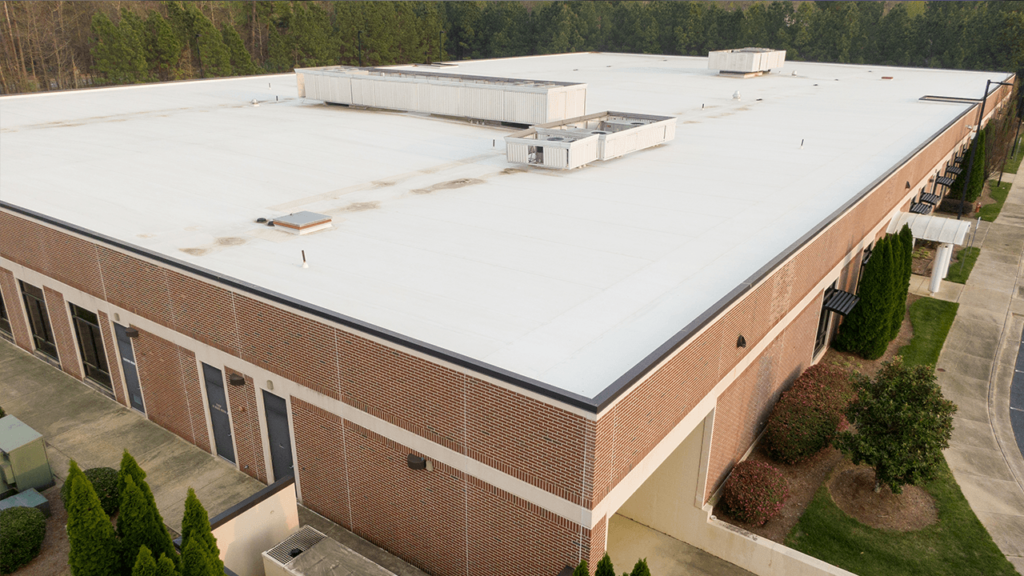
On hot Philadelphia afternoons, the cheapest way to cool a house might be sitting right above the ceiling: the roof’s color. In a pilot that coated 340 modest homes with reflective white paint between 2001 and 2003, the Energy Coordinating Agency found indoor temperatures dropped by about 4 to 5°F and air-conditioning demand fell by roughly 560 kWh per home each year. The results point to a blunt, low-tech fix with real stakes for residents who feel summer heat and electric bills most acutely. With urban heat islands intensifying across US cities, that bucket of white coating starts to look less like maintenance and more like infrastructure.
A simple fix for rising heat
Every summer, we talk about smarter thermostats and higher-efficiency air conditioners. But one of the most practical heat tools in the US has long been a bucket-and-roller solution: paint the roof. In Philadelphia, a local experiment from the early 2000s offers a reminder that managing heat can start by stopping it at the top of the house.
Between 2001 and 2003, Philadelphia’s Energy Coordinating Agency (ECA) coated roughly 340 rooftops with reflective white materials as part of what was known as the Cool Homes Project. The focus was not fancy new construction, it was existing rowhomes occupied largely by low-income seniors, people who often face the harshest tradeoffs when electric bills spike.
Energy savings and cooler homes
The results were tangible in a way that matters when it is 95°F outside and the house will not cool down. After the roofs were coated, maximum indoor temperatures dropped by about 4 to 5°F beneath the ceilings. In top-floor bedrooms without air conditioning, the peak temperature fell about 2°F, a smaller number that can still decide whether a room is tolerable at night.
Then came the number utilities and city agencies care about: energy. On average, each home cut air-conditioning electricity use by about 560 kWh per year. For households living close to the edge, that kind of reduction can mean fewer shutoff fears and more flexibility during the hottest weeks of the year.
Why white roofs work
The physics here is straightforward. Dark roofs soak up solar radiation and convert much of it into heat. Lighter, more reflective surfaces raise what scientists call “albedo,” bouncing more sunlight away and keeping roof temperatures lower, which reduces the heat that leaks into living spaces.
This was not a one-off, either. The Florida Solar Energy Center reported that a white acrylic coating on a Cocoa Beach school’s roof helped cut annual energy use by about 13,000 kWh and reduced peak electricity demand by roughly 10%. Researchers at Lawrence Berkeley National Laboratory also documented big roof-temperature drops when albedo was increased on commercial buildings, reinforcing the same basic story across climates and building types.
Scaling up, with real-world caveats
Zoom out from individual homes and you get the “urban heat island” problem: cities often run about 2 to 8°F hotter than surrounding areas because asphalt, concrete, and dark roofs hold heat. Researchers including Arthur Rosenfeld and Hashem Akbari have argued that brighter roofs and pavements could cool neighborhoods and, in theory, produce a meaningful radiative effect at global scale, even if that is not the same thing as removing carbon from the atmosphere.
Still, roofs get dirty, and grime can reduce reflectivity over time. In colder regions, highly reflective roofs can also be a winter penalty by shedding helpful solar warmth. The practical takeaway is less about painting everything stark white, and more about using high-reflectance materials and maintaining them, the unglamorous steps that make the numbers hold up.