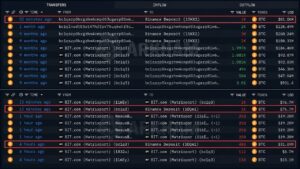

Shiba Inu Balances On Binance Plunge By 1.1 Trillion Tokens

Shiba Inu balances on Binance reportedly fell by 1.101 trillion SHIB over a one-month period, adding a new exchange-flow angle to a token that remains closely watched by retail meme-coin traders.
TL;DR
The reported balance change covers Binance user balances from May 1 to June 1.
SHIB balances fell by 1.101 trillion tokens over that period.
The decline came while Binance user balances for Bitcoin and Ethereum continued to rise.
Large exchange outflows can reduce immediate sell-side supply but do not guarantee a rally.
Shiba Inu (SHIB) Exchange Balances Move Lower
Exchange balance changes are closely watched in crypto because they can offer clues about trader behavior. When tokens leave an exchange, one possible interpretation is that holders are moving coins into cold storage or private wallets. Another is that assets are being transferred into DeFi protocols or other venues. The important point is that outflows reduce visible exchange balances, but they do not prove intent on their own.
In SHIB’s case, the reported 1.101 trillion token decline on Binance is large enough to attract attention. Meme coins often trade heavily on sentiment, community activity and liquidity flows, so even balance changes can become part of the market narrative.
The contrast with Bitcoin and Ethereum balances also matters. If BTC and ETH user balances rose while SHIB balances declined, the move may reflect asset-specific behavior rather than a broad platform-wide withdrawal trend.
What It Means For SHIB Traders
SHIB has remained one of the most active meme-coin names by community attention, but price performance depends on more than exchange balances. Burn activity, Shibarium usage, broader risk appetite and Bitcoin direction all influence whether outflow narratives turn into actual buying pressure.
A lower exchange balance can be constructive if it reflects long-term holding or accumulation. It can also be neutral if tokens simply moved to other venues. That is why traders should avoid treating the data as a direct price signal.
The more useful approach is to combine exchange-balance data with price structure. If SHIB is holding support while visible sell-side supply declines, bulls may argue that pressure is easing. If price keeps weakening, the outflow may not be enough to offset soft demand.
Why This Fits The Weekend Market Watchlist
Weekend crypto trading often leaves thinner liquidity and more narrative-driven movement, so stories like this can matter even when they are not immediate price catalysts. Retail traders tend to focus on whether a development changes access, liquidity, risk appetite or the way users interact with a chain, exchange, protocol or token.
The better way to read this update is as part of a broader market context rather than a standalone buy or sell signal. It adds to the set of themes shaping crypto right now: stronger compliance pressure, easier app-based access, renewed DeFi funding, tokenized real-world assets, and altcoin setups that remain heavily dependent on Bitcoin’s direction.
What To Watch Next
The caveat is straightforward: exchange outflows are not the same as guaranteed accumulation. SHIB traders should watch whether volume, support levels and on-chain activity confirm the balance narrative before assuming a sustained rebound.
This report is based on information from BSC News.
This article was written by the News Desk and edited by Samuel Rae.

Editorial Process for bitcoinist is centered on delivering thoroughly researched, accurate, and unbiased content. We uphold strict sourcing standards, and each page undergoes diligent review by our team of top technology experts and seasoned editors. This process ensures the integrity, relevance, and value of our content for our readers.