South Korea Opens $5 Trillion Market to Tokenized Stocks, Bonds in 2027
Key Takeaways
South Korea plans to allow tokenized stocks, bonds, and funds from Feb. 4, 2027, under new FSC rules.The framework could deepen institutional blockchain use across one of Asia’s largest capital markets.The key test is whether later phases expand to public securities and stablecoin-based settlement.
New FSC Rules Aim to Move Stocks and Bonds Onchain
South Korea is preparing to move a significant portion of its traditional financial market onto blockchain rails.
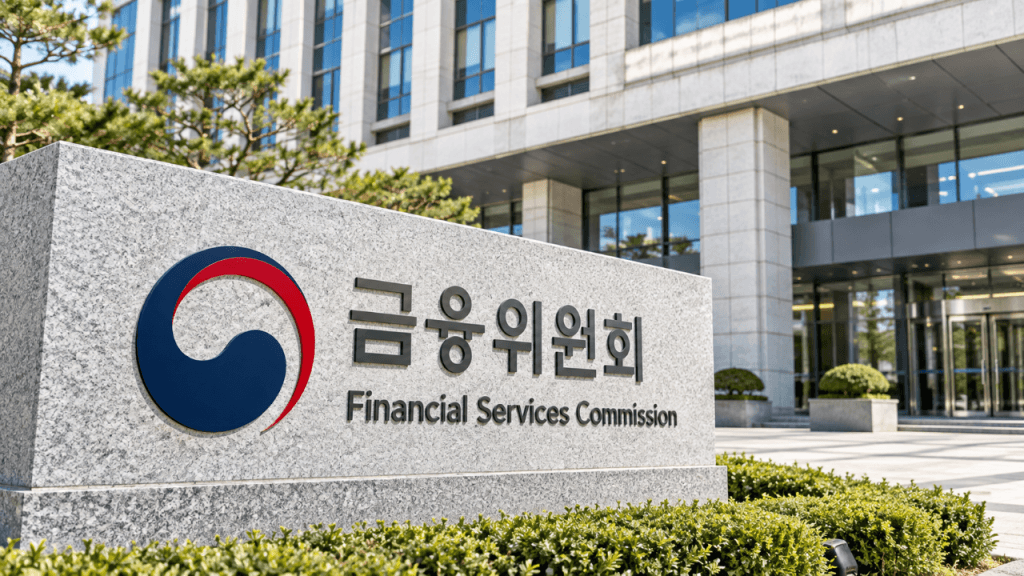
The Financial Services Commission has proposed regulations allowing securities including stocks, bonds, and funds to be issued and circulated in tokenized form from Feb. 4, 2027. The proposals enter public consultation from Oct. 2 through Nov. 11 before proceeding through the approval process.
The development follows legislation passed earlier this year that formally recognized security tokens as a digital form of securities under South Korea’s electronic-registration framework.
Tokenization Starts With Institutions
South Korea is deliberately starting small.
The first phase will focus on private money-market funds and bonds for institutional investors, trust-based tokenization of unlisted stocks, and publicly offered fractional-investment securities.
Later phases could introduce onchain settlement linked to stablecoins, though the FSC says that step will depend on the results of earlier phases, technological development, and pending stablecoin legislation.
That matters for crypto because tokenization is moving beyond experimental real-world assets toward established securities markets with institutional liquidity.
Regulators Put Guardrails Around the Blockchain Rails
The proposed framework keeps conventional market controls firmly in place.
Distributed ledgers will need to be shared among at least two account-management entities alongside the Korea Securities Depository. Firms allowed to issue tokenized securities and manage customer accounts directly would face a minimum equity-capital requirement of $3 million (4 billion KRW), alongside staffing requirements for compliance, account management, and technology.
Retail investors would be limited to $74,000 (100 million KRW) in annual net purchases per over-the-counter exchange, a measure designed to contain investor risk as secondary-market trading expands.
Korea Joins the Global Tokenization Race
The scale of the opportunity is difficult to ignore. South Korea’s listed stock market alone has reached $4.89 trillion in capitalization during 2026, according to data from Vantage Markets, underscoring the size of the financial system that could eventually connect with tokenized infrastructure.
The immediate February rollout will cover only a fraction of that universe. It is not a plan to move every Korean stock and bond onchain overnight.
But the direction is clear.
South Korea is creating a legal route for blockchain records to sit inside regulated capital markets, then planning to expand from institutional products toward broader securities and potentially stablecoin settlement.
For the tokenization industry, that is the more consequential headline: another major financial market is moving blockchain from pilot technology toward regulated infrastructure.