
Trump Threatens Iran Again as Hezbollah Attacks Put Ceasefire Deal at Risk
Key Takeaways
Trump warned Iran on June 21 to stop Hezbollah proxies in Lebanon or face harder U.S. strikes.Israeli strikes killed 18 in Lebanon on June 19, the deadliest blow to the MoU since June 17.U.S. and Iranian delegations meet in Switzerland this week for 60-day talks on a final deal.
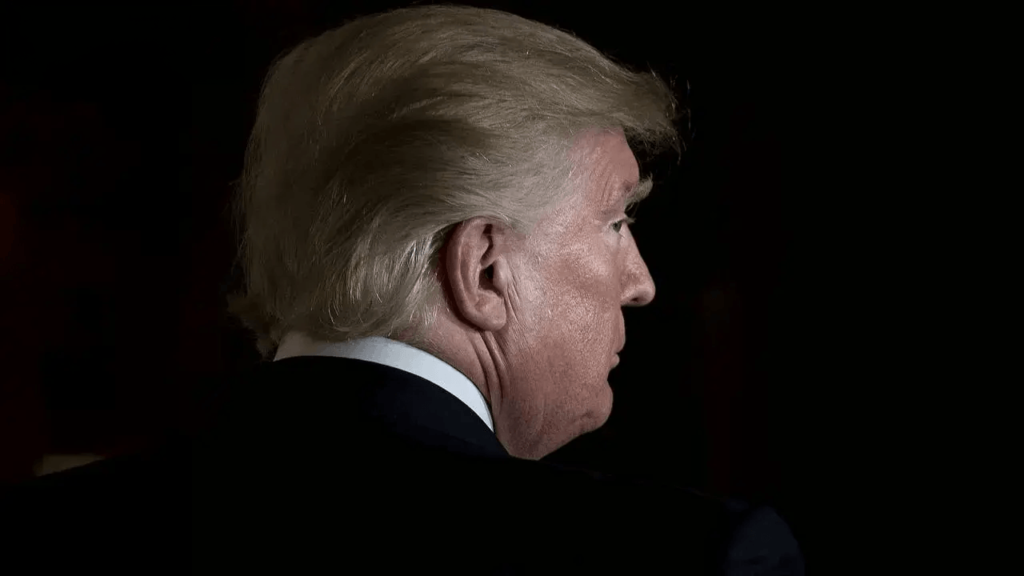
Trump made the warning in a Truth Social post at 9:30 a.m. Eastern. “Iran must immediately stop their highly paid PROXIES in Lebanon from causing trouble. If they don’t, we’ll hit Iran very hard again, just like we did last week, only harder!!!” the post read, signed “President DONALD J. TRUMP.”
The post landed as the ceasefire he brokered showed new cracks. Trump and Iranian President Masoud Pezeshkian signed a 14-point memorandum of understanding on June 17 in Versailles, France, while Trump attended the G7 summit. Pakistan’s prime minister, who mediated the talks, signed as well. The deal calls for a 60-day window to negotiate a final agreement covering Iran’s nuclear program, sanctions relief and the broader regional conflict.
The first clause of the memorandum calls for the “immediate and permanent termination of military operations on all fronts, including in Lebanon.” But Israel and Hezbollah never signed it.
Israeli forces struck Hezbollah targets across southern Lebanon overnight Thursday into Friday, with Lebanese officials reporting at least 18 civilians killed. It marked the deadliest single incident since the memorandum took effect. The Israel Defense Forces said the strikes responded to “repeated violations of the ceasefire.”
Iran responded by closing the Strait of Hormuz for the second time in a week, citing continued Israeli troop presence in Lebanon as a breach of the deal’s terms. The waterway carries roughly 20% of the world’s crude oil and liquefied natural gas. Brent crude traded near $78 a barrel Saturday, down from more than $100 during the height of the war but still sensitive to Hormuz disruptions.
Trump also posted Saturday that ships would cross the strait toll-free for 60 days “unless they are imposed by and for the United States of America,” should a final deal fall through.
Talks Resume in Switzerland
Technical-level negotiations between U.S. and Iranian delegations began this weekend at the Bürgenstock resort in Switzerland. Vice President JD Vance, U.S. special envoy Steve Witkoff and Trump son-in-law Jared Kushner represent Washington. Iranian Foreign Minister Abbas Araghchi and Parliament Speaker Mohammad-Bagher Ghalibaf lead Tehran’s delegation. Pakistani and Qatari officials are mediating.
Organizers added an emergency session on the Lebanon fighting to the agenda, reflecting how directly the violence threatens the broader nuclear and sanctions talks the memorandum was designed to protect.
Why It Matters
The memorandum unlocked a $300 billion reconstruction fund for Iran and staged sanctions relief, but both remain tied to verified compliance. Continued fighting in Lebanon gives critics in Washington, including several Senate Republicans, an opening to argue the deal favors Tehran. It also tests how much control Trump has over Israeli Prime Minister Benjamin Netanyahu, whose forces have continued operating in Lebanon despite the ceasefire’s language.
For now, the 60-day clock keeps running. Whether it produces a final agreement on Iran’s nuclear stockpile and missile program, or another collapse, depends largely on whether Lebanon stays quiet.