
US Extradites Chinese National in $36.9M+ Crypto Scam With 174 Victims
Key Takeaways
Eight co-conspirators have pleaded guilty in the investment fraud case.More than $36.9 million allegedly passed through one Bahamas account.Zheng Zhao faces up to 20 years in prison if convicted of the conspiracy.
Extradition Brings Zhao Before California Court
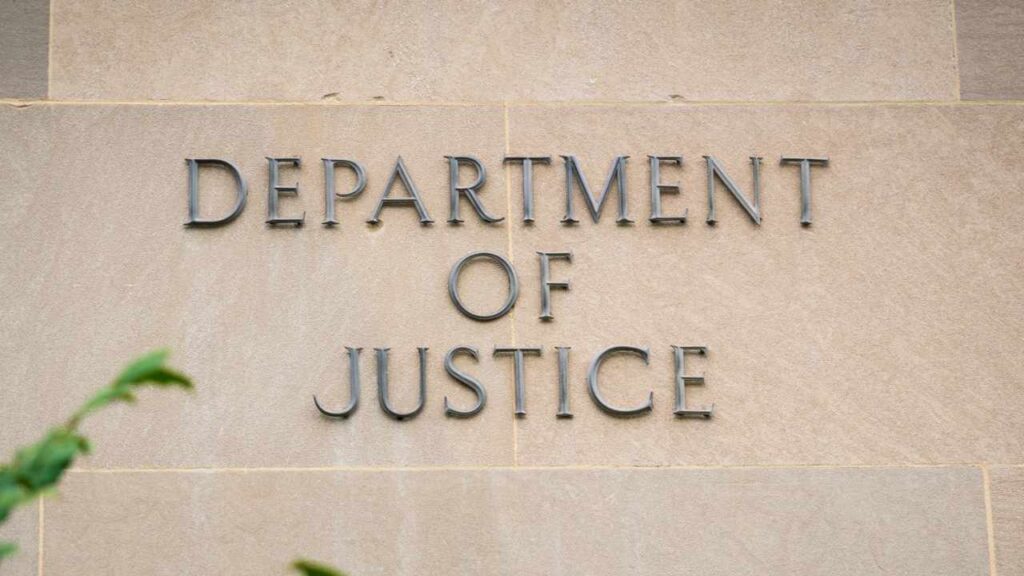
Zheng Zhao, a 44-year-old Chinese national, was arraigned in the Central District of California on Oct. 23 following his extradition from the Netherlands. The U.S. Department of Justice (DOJ) announced Zhao’s extradition in connection with an alleged investment fraud operated from Cambodian scam centers.
The money laundering conspiracy charge against Zhao dates from August 2025 and carries a maximum prison sentence of 20 years. The Justice Department’s Office of International Affairs worked with Dutch authorities to secure his arrest and extradition.
Assistant Attorney General A. Tysen Duva of the Justice Department’s Criminal Division said:
“This extradition should be a lesson to all those who seek to exploit vulnerable Americans from overseas.”
Eight co-conspirators have pleaded guilty, including ShengSheng He and Jingliang Su, who admitted conspiring to operate an unlicensed money transmitting business. They received prison sentences of 51 months and 46 months, respectively. Zhao’s case is part of the Criminal Division’s Cyber-Enabled Scam Initiative.
Victim Funds Allegedly Converted to USDT
Overseas participants allegedly approached prospective victims through unsolicited social media interactions, telephone calls, text messages, and online dating services. After gaining their trust, they promoted fraudulent digital asset investments through fake cryptocurrency trading platforms designed to resemble legitimate exchanges.
Those targeted were told their investments were increasing in value while participants allegedly diverted their money through a cross-border financial network. Prosecutors describe transfers involving U.S. shell companies, international bank accounts, and digital asset wallets. More than $36.9 million moved from accounts controlled by co-conspirators to a single account at Deltec Bank in the Bahamas.
Zhao and other participants allegedly arranged for the bank to convert those funds into the stablecoin tether (USDT) and transfer the tokens to a digital asset wallet in Cambodia. Co-conspirators there then transferred the USDT to regional scam center leaders, according to the DOJ.
Publicly recorded blockchain transactions can help investigators trace cryptocurrency transfers, the FBI explains. Movements into foreign jurisdictions can complicate efforts to follow the money, particularly where authorities encounter weak anti-money laundering rules.
Separate Cases Target Overseas Scam Networks
Cambodian authorities extradited Prince Group head Chen Zhi to China in January in a separate investigation. Prince Group is a Cambodia-based business group operating across multiple industries. Chen was accused of overseeing cryptocurrency fraud involving forced labor.
Japanese authorities separately arrested alleged Prince Group associate Hu Shi in Osaka in June on suspicion of falsifying public records. Police linked him to the group, which U.S. authorities had targeted over allegations involving fraud and money laundering.
A September action by the DOJ’s Scam Center Strike Force, working with the U.S. Treasury Department, targeted Xinbi Guarantee, a Chinese-language online marketplace allegedly connecting operators with vendors offering fraudulent websites and money laundering services. Federal authorities restrained approximately $52 million in cryptocurrency in one day, bringing the Scam Center Strike Force’s cumulative restrained funds to approximately $938 million.