
CFTC and US Lawmaker Offer Two Different Answers to Binance’s $6.3B Hack
Key Takeaways
CFTC Chairman Michael Selig proposes voluntary federal oversight following Binance’s $6.3 billion hack.Sen. Cynthia Lummis argues the stalled CLARITY Act would have strengthened emergency freeze protections.Binance reportedly froze $3 billion as Washington debates how to prevent another massive theft.
CFTC Chair Selig Pushes Federal Registration After Binance Theft
The Oct. 29 Binance breach, reportedly involving around $6.3 billion in stolen cryptocurrency, has become an unlikely catalyst for two competing regulatory arguments. Both promise better protection, but they take distinctly different routes through Washington.
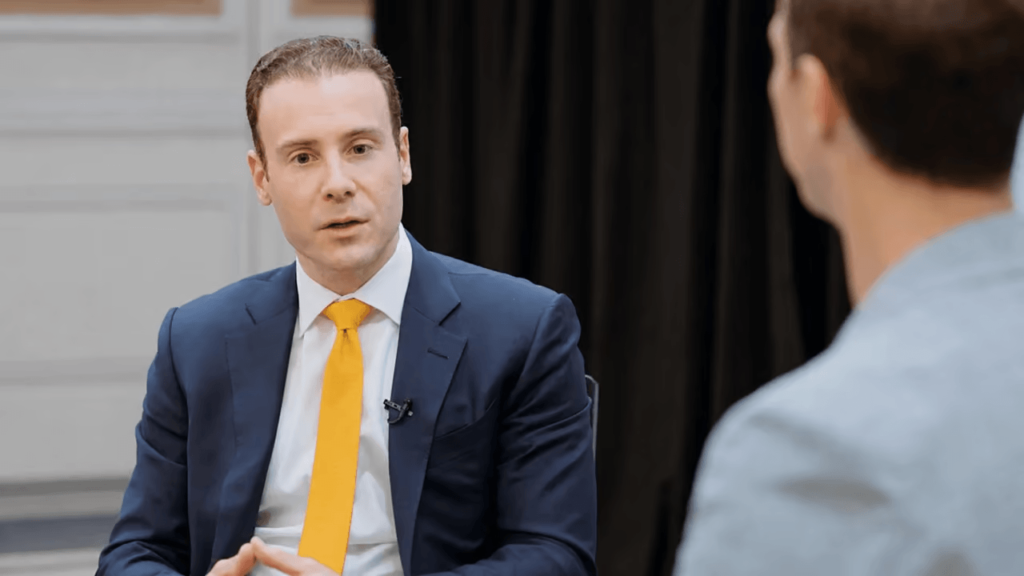
Commodity Futures Trading Commission (CFTC) Chairman Michael Selig used an Oct. 30 CNBC interview to advocate voluntary federal registration for cryptocurrency exchanges, including offshore platforms such as Binance. Selig emphasized:
“We want to offer these exchanges a federal option to come and register with the CFTC.”
His proposal would let eligible exchanges enter a federal supervisory framework covering cybersecurity, market manipulation, customer protections, and custody safeguards. The catch? Washington cannot compel every centralized cryptocurrency exchange (CEX) to register without additional congressional authority.
Selig’s approach builds on an Oct. 5 regulatory initiative proposing Regulation CTX and Regulation CAM, which would establish tailored oversight for certain leveraged, margined or financed retail cryptocurrency transactions.
Lummis Blames Stalled CLARITY Act for Lost Protection
Sen. Cynthia Lummis, R-Wyo., sees another problem: Congress failed to advance legislation she believes would have helped authorities respond faster.
“Every minute lost is money gone for good,” Lummis wrote on X on Oct. 30, arguing the stalled CLARITY Act would have provided legal protections for firms freezing suspicious transactions at law enforcement’s request.
The legislation failed a Senate procedural vote on Sept. 15, falling short of the 60 votes needed to advance. Lummis subsequently drew fire from Amanda Fischer of Better Markets, who disputed her interpretation. Fischer argued that existing mechanisms already permitted voluntary freezes and that the proposed legislation would not have changed those actions.
Lummis countered on social media, saying that the bill’s provisions concerning covered digital asset service providers would have offered additional authority and reduced liability risks. “No law stops every bad actor, but the Clarity Act would have given the people fighting them better tools and the ability to act faster. Your party voted no, and you have to own that. Thanks for playing, Amanda Fischer,” Lummis wrote.
Billions Frozen as Washington Debates Its Next Move
The argument isn’t entirely academic. Binance reportedly coordinated with partners to freeze approximately $3 billion following the theft, nearly half the estimated losses, while promising to cover affected customer balances. Meanwhile, Selig’s regulatory proposal remains preliminary, with public comments open until Dec. 14. Neither a voluntary registration pathway nor the stalled legislation offers an immediate remedy for the stolen assets.
One proposal asks exchanges to accept federal supervision. The other seeks stronger statutory authority to intervene when criminals strike. The uncomfortable question is whether either would have stopped the Binance attackers before billions disappeared.